What Makes a Professional SEO Campaign Successful?
The Key Factors Behind Long-Term Google Rankings and Organic Traffic Growth
Many businesses invest in SEO hoping to rank higher on Google, generate more traffic, and increase leads or sales. However, not all SEO campaigns deliver strong long-term results.
Successful SEO is far more than simply adding keywords to a website. A professional SEO campaign combines technical optimisation, content strategy, user experience, analytics, local SEO, and ongoing improvements to build sustainable visibility over time.
As Google’s algorithms continue evolving, businesses that focus on long-term SEO strategy rather than quick shortcuts are the ones most likely to succeed.
What Is an SEO Campaign?
An SEO campaign is a structured strategy focused on improving a website’s visibility in search engines such as Google.
A professional SEO campaign may include:
- Keyword research
- Technical SEO
- Content optimisation
- On-page SEO
- Local SEO
- Link building
- Website performance improvements
- Analytics and tracking
- Content creation
- Ongoing optimisation
The goal is not only to improve rankings but also to attract qualified traffic that converts into customers.
1. Clear SEO Goals and Strategy
Every successful SEO campaign starts with a clear strategy.
Businesses should define:
- Target audience
- Business goals
- Target keywords
- Geographic focus
- Conversion goals
- Competitor landscape
Without a strategy, SEO efforts often become inconsistent and ineffective.
Examples of SEO goals:
- Increase local enquiries
- Improve ecommerce sales
- Rank for industry keywords
- Increase organic traffic
- Improve Google Maps visibility
A strong strategy creates direction for the entire campaign.
2. Proper Keyword Research
Keyword research is one of the foundations of successful SEO.
Professional SEO campaigns focus on:
- High-intent keywords
- Long-tail keywords
- Search volume
- Competition levels
- User intent
Examples:
- SEO company Durban
- family accommodation South Coast
- ecommerce SEO South Africa
- premium ice cream cones supplier
Good keyword research helps businesses target searches that actually generate traffic and conversions.
3. Technical SEO Optimisation
Technical SEO is often one of the biggest differences between professional SEO campaigns and basic SEO efforts.
Technical SEO includes:
- Website speed
- Mobile responsiveness
- Crawlability
- Indexing
- XML sitemaps
- Structured data
- HTTPS security
- Core Web Vitals
- Broken link management
A technically weak website can struggle to rank even with good content.
4. High-Quality SEO Content
Content remains one of the strongest ranking factors in Google Search.
Successful SEO campaigns focus on:
- Helpful content
- Search intent
- Keyword optimisation
- Content structure
- Topical authority
- Internal linking
Examples of SEO content:
- Service pages
- Blog articles
- Product descriptions
- Location pages
- FAQ sections
Businesses consistently publishing quality content often build stronger long-term rankings.
5. Search Intent Optimisation
Modern SEO is heavily focused on search intent.
Google wants content that matches what users are actually looking for.
Types of search intent:
- Informational
- Transactional
- Commercial
- Navigational
For example:
Someone searching:
- “best local SEO company”
has a different intent than: - “what is local SEO”
Professional SEO campaigns optimise content around the correct search intent.
6. Local SEO Strategy
For many South African businesses, local SEO is essential.
Successful local SEO campaigns include:
- Google Business Profile optimisation
- Location-based keywords
- Google Maps visibility
- Customer reviews
- Local citations
- Area landing pages
Local SEO helps businesses appear in:
- “near me” searches
- Google Maps
- mobile location searches
Strong local visibility often drives high-converting traffic.
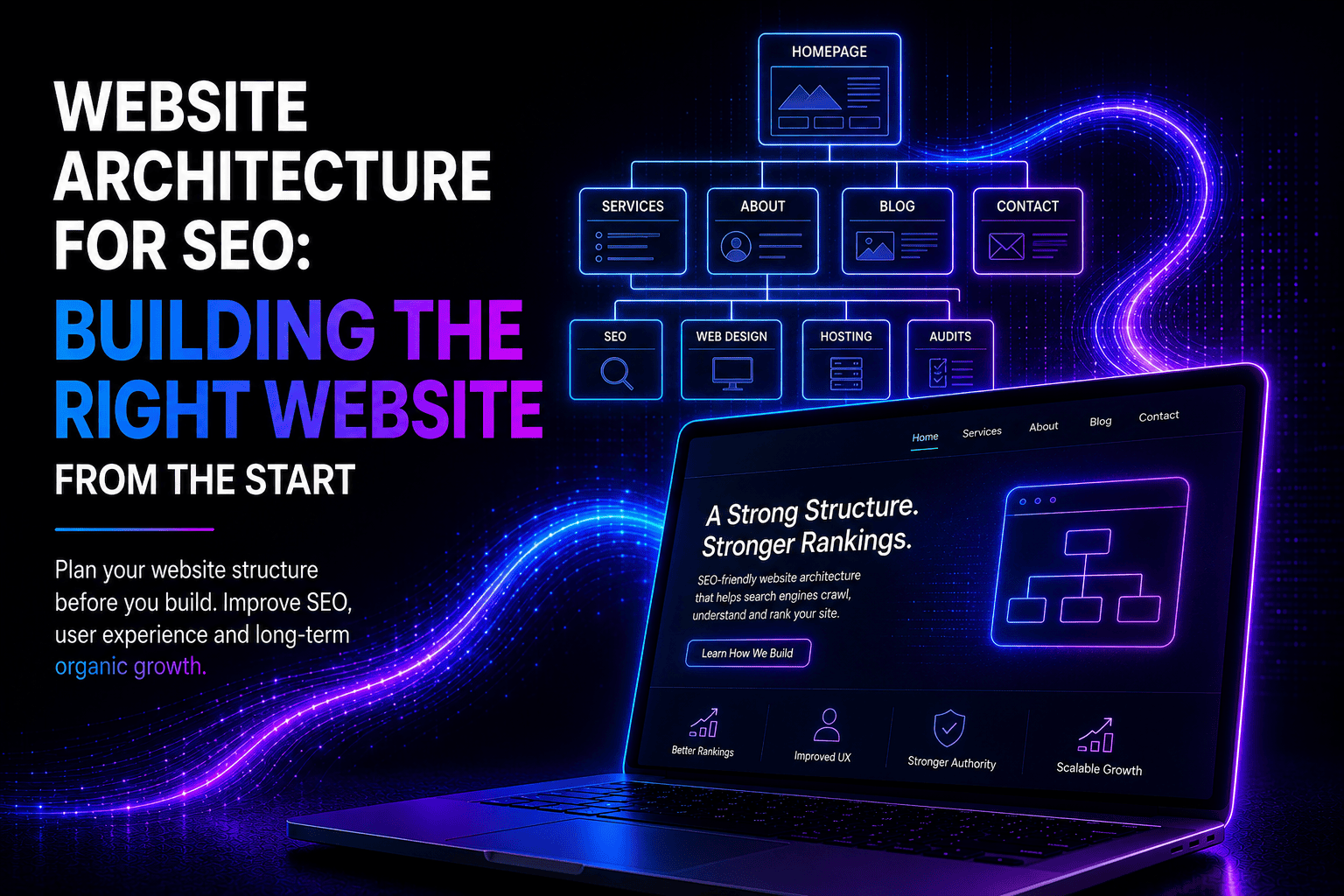
7. Strong Internal Linking
Internal linking helps:
- Improve crawlability
- Distribute authority
- Improve navigation
- Support rankings
Examples:
- Linking blogs to service pages
- Linking products to categories
- Linking related content together
Well-structured websites often perform better in search results.
8. Mobile-Friendly Website Design
Most Google searches now happen on mobile devices.
Professional SEO campaigns ensure websites:
- Load quickly
- Display correctly on phones
- Have easy navigation
- Use readable layouts
- Offer good user experiences
Poor mobile usability can negatively affect rankings and conversions.
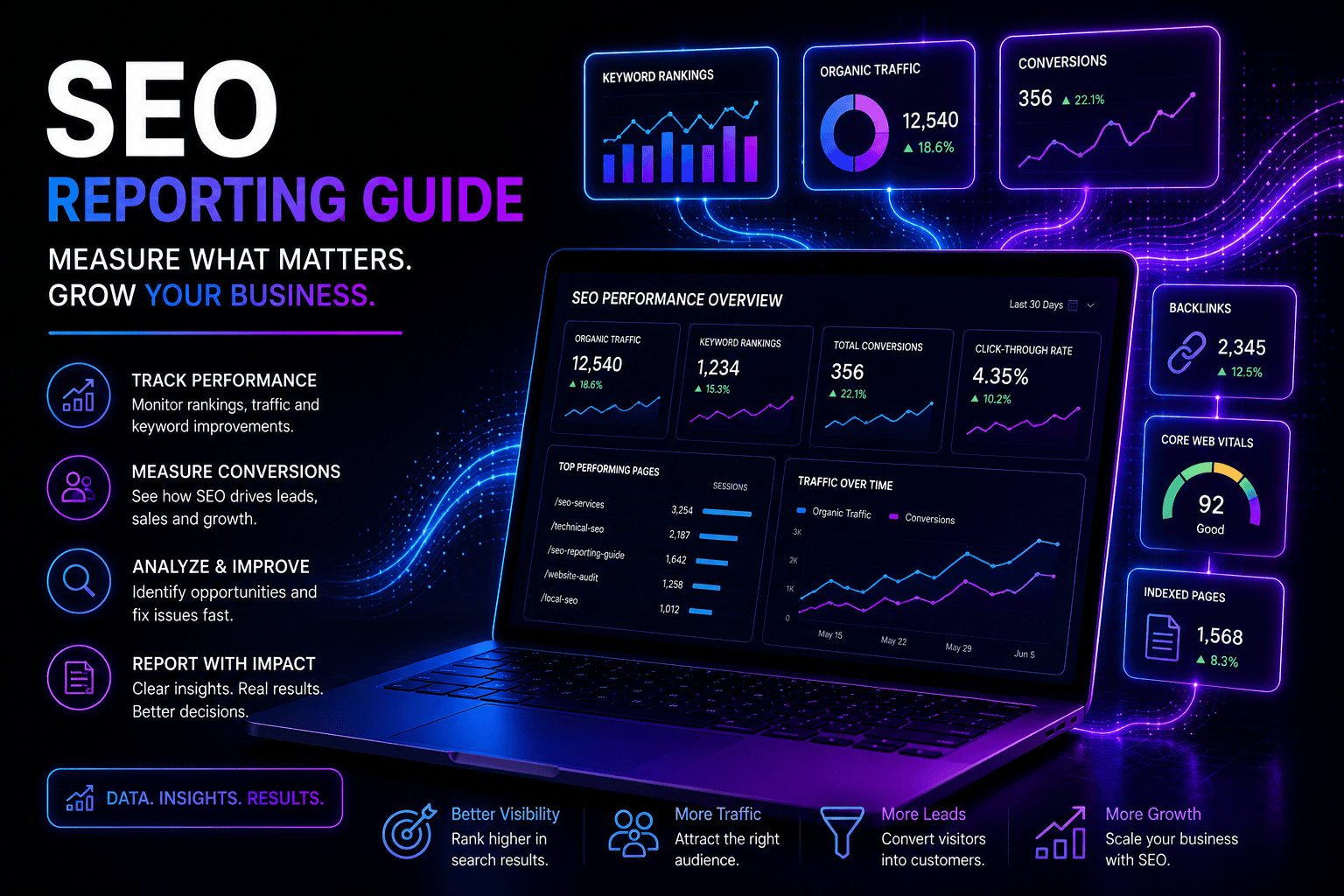
9. Analytics and SEO Tracking
One of the biggest differences between professional SEO and basic SEO is proper tracking.
Successful campaigns monitor:
- Organic traffic
- Keyword rankings
- Conversion rates
- Click-through rates
- Bounce rates
- Google Maps visibility
- User behaviour
Important tools include:
- Google Analytics 4
- Google Search Console
- SEO tracking software
Tracking helps businesses measure real ROI from SEO.
10. Consistency and Long-Term Optimisation
SEO is not a once-off project.
Successful SEO campaigns involve:
- Ongoing optimisation
- Content updates
- Technical maintenance
- Performance monitoring
- Strategy adjustments
- Regular content publishing
Businesses expecting instant results often misunderstand how SEO works.
The strongest SEO results are typically built over time.
Common Reasons SEO Campaigns Fail
Many SEO campaigns struggle because of:
- Poor keyword research
- Weak content
- No strategy
- Technical issues
- Low-quality backlinks
- Slow websites
- No tracking
- Unrealistic expectations
- Inconsistent optimisation
Avoiding these mistakes is critical for long-term SEO success.
Why Professional SEO Matters
Professional SEO combines:
- Strategy
- Technical expertise
- Content marketing
- Analytics
- User experience
- Search engine understanding
Experienced SEO professionals understand how Google algorithms evolve and how to build sustainable rankings without relying on shortcuts or risky tactics.
FAQs About SEO Campaigns
What is an SEO campaign?
An SEO campaign is a structured strategy focused on improving a website’s visibility and rankings in search engines like Google.
How long does SEO take to work?
SEO is a long-term strategy. Some improvements can happen within weeks, but strong results typically develop over several months.
Why is keyword research important in SEO?
Keyword research helps businesses target the searches customers are actually using on Google.
What is technical SEO?
Technical SEO focuses on website performance, mobile usability, indexing, crawlability, and other backend factors that affect rankings.
Can SEO improve sales and leads?
Yes. Effective SEO helps attract qualified traffic that is more likely to convert into customers, enquiries, or sales.
Final Thoughts
A successful professional SEO campaign is built on far more than keywords alone.
From technical SEO and content optimisation to local SEO, mobile performance, analytics, and long-term strategy, every part of a campaign contributes to search visibility and business growth.
As competition online continues to increase, businesses investing in professional SEO campaigns are far more likely to achieve sustainable rankings, stronger brand visibility, and long-term digital success.