Why Technical SEO Matters More Than Ever for WordPress Websites in 2026
For many businesses, SEO still means keywords, blog content, and backlinks. While those elements remain important, technical SEO has become one of the biggest factors influencing whether a WordPress website actually performs well in search results.
In 2026, Google is placing more emphasis on website experience, page speed, mobile usability, and technical performance than ever before. A website can have excellent content, but if the technical foundation is poor, rankings and traffic can still suffer.
This is why businesses are increasingly focusing on the technical side of their WordPress websites — especially companies relying on local SEO, tourism traffic, e-commerce, or lead generation.
Professional website maintenance and optimisation companies like Web Anatomy help businesses improve the technical performance of their websites while reducing long-term SEO risks.
What Is Technical SEO?
Technical SEO refers to the behind-the-scenes optimisation that helps search engines crawl, understand, and rank a website effectively.
Unlike content SEO, which focuses on keywords and articles, technical SEO focuses on how the website functions.
This includes:
- Website speed
- Mobile responsiveness
- Secure browsing (HTTPS)
- Crawlability and indexing
- Site structure
- Core Web Vitals
- Image optimisation
- Broken links and errors
- Structured metadata
A technically strong website makes it easier for search engines to deliver a better user experience.
Why Technical SEO Matters More in 2026
Search engines are becoming increasingly focused on user experience signals rather than simply matching keywords.
Google now prioritises websites that:
- Load quickly
- Work properly on mobile devices
- Have stable layouts
- Provide secure browsing experiences
- Avoid technical errors and downtime
This means technical SEO is no longer optional — it directly affects visibility, rankings, and conversions.
Website Speed Is Now a Major Ranking Factor
One of the most important parts of technical SEO is page speed.
Users expect websites to load almost instantly, especially on mobile devices. If pages take too long to load, visitors often leave before interacting with the site.
Slow websites commonly experience:
- Higher bounce rates
- Lower engagement
- Reduced conversion rates
- Poorer search visibility
WordPress websites often become slow because of:
- Oversized images
- Too many plugins
- Poor hosting environments
- Unoptimised themes
- Lack of caching
Technical optimisation helps improve speed and overall performance.
Mobile Optimisation Is Critical
Most website traffic now comes from mobile devices, especially for local searches and tourism-related businesses.
Google uses mobile-first indexing, meaning it primarily evaluates the mobile version of a website when determining rankings.
Poor mobile experiences can lead to:
- Lower rankings
- Frustrated users
- Reduced enquiry rates
- Higher abandonment rates
A technically optimised WordPress website should:
- Load quickly on mobile
- Use responsive layouts
- Maintain readable text sizes
- Avoid broken mobile elements
Core Web Vitals Continue to Shape SEO
Core Web Vitals are performance measurements used by Google to evaluate user experience.
These metrics focus on:
- Loading performance
- Visual stability
- Interactivity speed
If a website performs poorly in these areas, rankings may be affected.
Many WordPress websites struggle with Core Web Vitals because of:
- Heavy page builders
- Excessive scripts
- Unoptimised media files
- Slow servers
Technical SEO improvements help address these problems.
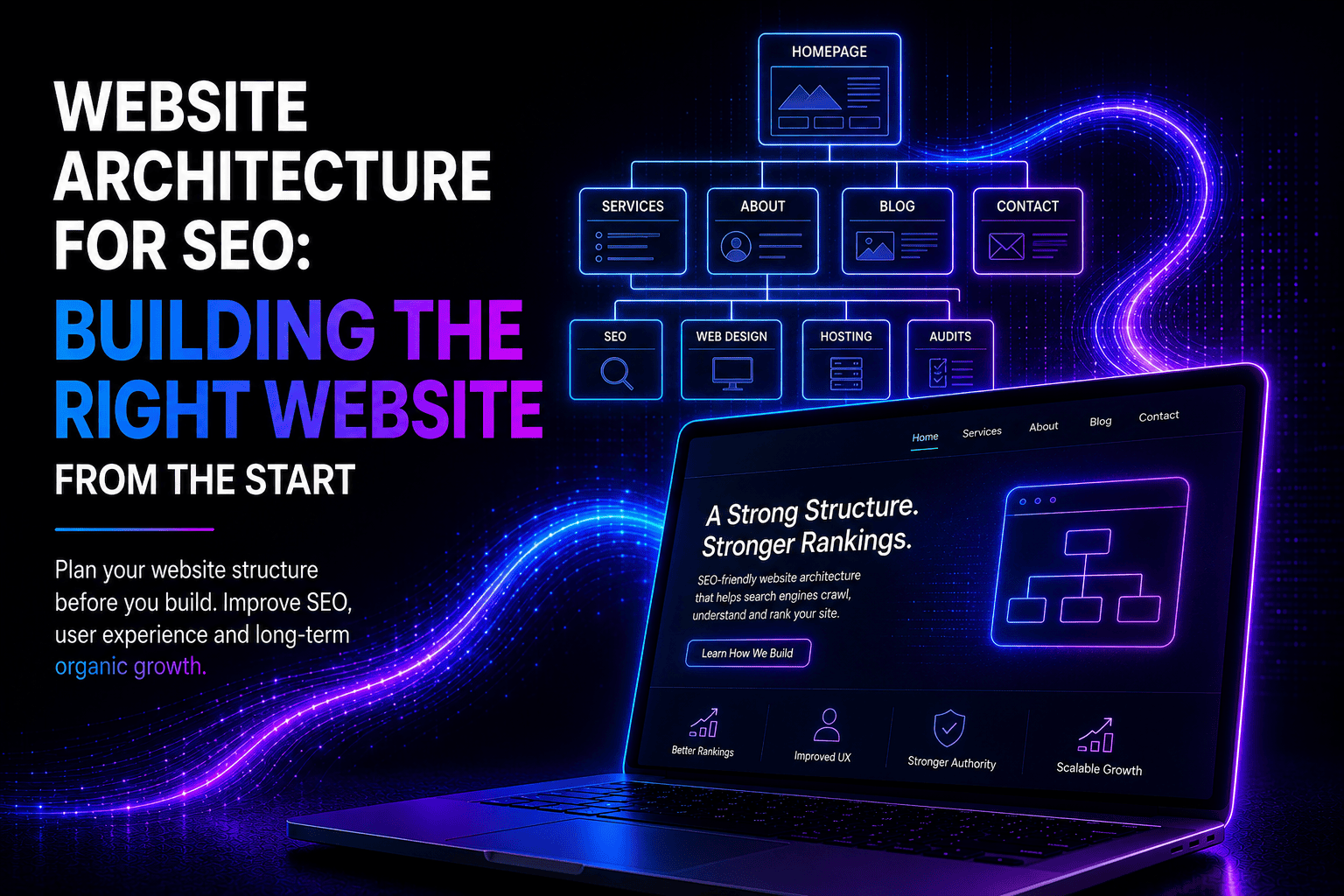
Website Structure Helps Search Engines Understand Content
A strong technical structure makes it easier for search engines to crawl and organise website content.
Important structural elements include:
- Clear URL hierarchy
- Internal linking
- XML sitemaps
- Proper heading structure
- Clean navigation
Poor website architecture can confuse search engines and reduce visibility for important pages.
This is especially important for:
- Tourism websites
- Blogs
- E-commerce stores
- Local business websites
where content volume grows over time.
Security Now Impacts SEO and Trust
Website security is also part of technical SEO.
Google prioritises secure websites using HTTPS encryption, and users are increasingly cautious about insecure websites.
Security problems can cause:
- Search visibility issues
- Browser warnings
- Malware blacklisting
- Customer trust loss
WordPress websites are often targeted because outdated plugins and themes create vulnerabilities.
Professional maintenance and technical monitoring help reduce these risks significantly.
Broken Links and Errors Hurt SEO Performance
Over time, websites naturally develop:
- Broken pages
- Redirect issues
- Missing images
- Server errors
These technical problems negatively affect:
- User experience
- Search engine crawling
- Website authority
Regular website audits and maintenance help identify and fix these issues before they impact rankings.
Why WordPress Websites Need Ongoing Technical Maintenance
WordPress is powerful, but it also requires continuous optimisation.
Without regular maintenance:
- Plugins become outdated
- Security vulnerabilities increase
- Site speed declines
- Compatibility issues appear
- Technical SEO performance weakens
This is why businesses increasingly rely on companies like Web Anatomy for ongoing website support and technical management.
Regular monitoring helps ensure websites remain:
- Fast
- Secure
- Stable
- SEO-friendly
Who Benefits Most from Technical SEO?
Technical SEO is especially important for:
- Tourism and travel websites
- E-commerce stores
- Blogs and publishers
- Local business websites
- Hospitality businesses
- Real estate companies
Any business relying on Google traffic or online enquiries benefits from stronger technical performance.
Frequently Asked Questions
What is technical SEO for WordPress?
Technical SEO refers to the optimisation of a WordPress website’s infrastructure to improve search engine crawling, indexing, speed, security, and user experience.
Why is technical SEO important?
Technical SEO helps search engines understand and rank a website more effectively while improving user experience and website performance.
Does website speed affect SEO?
Yes. Website speed is a confirmed ranking factor and also affects bounce rates, conversions, and user engagement.
What are Core Web Vitals?
Core Web Vitals are Google performance metrics measuring loading speed, visual stability, and interactivity on a website.
Can poor technical SEO hurt rankings?
Yes. Slow loading speeds, mobile issues, broken links, security problems, and crawl errors can all negatively affect search rankings.
Does WordPress need ongoing maintenance for SEO?
Yes. WordPress websites require continuous updates, optimisation, and monitoring to maintain strong technical SEO performance.
How can businesses improve technical SEO?
Businesses can improve technical SEO through:
- Faster hosting
- Image optimisation
- Plugin management
- Security monitoring
- Mobile optimisation
- Regular maintenance and audits
Final Thoughts
In 2026, technical SEO is no longer a secondary part of website management — it is one of the core foundations of online visibility.
A WordPress website may have excellent content, but without strong technical performance, it can still struggle to compete in search results.
For businesses relying on online traffic and customer enquiries, investing in technical optimisation and ongoing maintenance through companies like Web Anatomy helps create a faster, more secure, and SEO-friendly website built for long-term growth.