What is SEO? A Complete Guide for Businesses in 2026
Search Engine Optimisation (SEO) is one of the most important digital marketing strategies for businesses looking to grow online visibility, increase website traffic, and generate more leads. Whether you run a local business in South Africa or an international brand, SEO helps your website appear in search engine results when potential customers are searching for your products or services.
In 2026, SEO is no longer just about keywords. Modern SEO focuses on user experience, content quality, technical website performance, trust signals, and search intent. Businesses that invest in SEO can build long-term online authority and sustainable digital growth.
What Does SEO Mean?
SEO stands for Search Engine Optimisation.
It is the process of improving a website so that it ranks higher on search engines such as:
- Bing
- Yahoo
The goal of SEO is to help search engines understand your website content while improving the experience for users visiting your site.
Better SEO can lead to:
- Increased organic traffic
- More qualified leads
- Higher brand visibility
- Better online credibility
- Increased sales and enquiries
SEO helps businesses connect with customers actively searching online.
Why SEO is Important for Businesses
Most online experiences begin with a search engine. When people search for products, services, or information, they usually click on websites that appear near the top of search results.
Without SEO, businesses may struggle to:
- Be found online
- Compete with competitors
- Generate consistent traffic
- Build authority in their industry
SEO allows businesses to compete digitally and attract customers without relying entirely on paid advertising.
How Search Engines Work
Search engines use automated systems called crawlers or bots to scan websites across the internet.
These systems:
- Discover website pages
- Analyse content and structure
- Index information
- Rank pages based on relevance and quality
Google uses hundreds of ranking factors to decide which pages appear in search results.
SEO helps improve these ranking signals so your website has a better chance of appearing higher in search engine results pages (SERPs).
The Main Types of SEO
Modern SEO includes several different areas that work together to improve website performance.
On-Page SEO
On-page SEO focuses on optimising the content and structure of your website pages.
This includes:
- Keyword optimisation
- SEO-friendly headings
- Meta titles and descriptions
- Internal linking
- Content quality
- Image optimisation
- User experience
Good on-page SEO helps search engines understand what your content is about.
Technical SEO
Technical SEO focuses on improving website performance and search engine accessibility.
Technical SEO includes:
- Website speed optimisation
- Mobile responsiveness
- Secure HTTPS connections
- XML sitemaps
- Crawlability
- Structured data
- Fixing broken links
Technical SEO ensures search engines can properly access and index your website.
Off-Page SEO
Off-page SEO focuses on building website authority and trust through external signals.
This often includes:
- Backlinks from other websites
- Brand mentions
- Digital PR
- Online reputation management
High-quality backlinks remain one of the strongest ranking factors in SEO.
Local SEO
Local SEO helps businesses appear in location-based searches.
This is important for businesses targeting local customers in areas such as:
- Durban
- Johannesburg
- Cape Town
- Pretoria
Local SEO strategies may include:
- Google Business Profile optimisation
- Local citations
- Location pages
- Customer reviews
- Map optimisation
Local SEO is especially important for service-based businesses.
What are Keywords in SEO?
Keywords are words or phrases people type into search engines.
Examples include:
- “SEO company in South Africa”
- “Website design services”
- “Digital marketing agency Durban”
SEO involves understanding which keywords customers search for and creating content around those topics.
However, modern SEO focuses more on search intent and topic relevance rather than simply repeating keywords.
Content and SEO
Content plays a major role in SEO success.
High-quality content helps businesses:
- Rank for search terms
- Answer customer questions
- Build authority
- Increase website engagement
- Generate backlinks
SEO content may include:
- Blogs
- Service pages
- Landing pages
- Guides
- FAQs
- Case studies
Businesses that regularly publish valuable content often perform better in search results.
User Experience and SEO
Google now places strong emphasis on user experience.
Factors affecting SEO performance include:
- Website speed
- Mobile usability
- Navigation structure
- Content readability
- Visual stability
- Engagement metrics
A website that provides a better user experience is more likely to rank well.
Mobile SEO in 2026
Most searches now happen on mobile devices.
Google uses mobile-first indexing, meaning it primarily evaluates the mobile version of websites for rankings.
Businesses need websites that are:
- Mobile responsive
- Fast-loading
- Easy to navigate
- Optimised for smaller screens
Poor mobile performance can negatively impact SEO rankings.
The Role of AI in SEO
Artificial intelligence is changing how search engines understand content.
Modern SEO now involves:
- Search intent optimisation
- Topic authority
- Semantic search
- AI-generated search summaries
- Natural language optimisation
Businesses need content that is helpful, trustworthy, and relevant rather than content written purely for search engines.
SEO vs Paid Advertising
SEO and paid advertising are different digital marketing strategies.
SEO
- Focuses on long-term organic growth
- Builds sustainable traffic
- Requires ongoing optimisation
- Does not charge per click
Paid Advertising
- Delivers immediate traffic
- Requires ongoing ad spend
- Stops generating traffic when ads stop
Many businesses use both SEO and paid advertising together for stronger digital growth.
How Long Does SEO Take?
SEO is a long-term strategy.
Results can depend on factors such as:
- Industry competition
- Website quality
- Content strategy
- Technical SEO
- Backlink profile
Some improvements may happen within a few months, while highly competitive industries may take longer to achieve strong rankings.
SEO is an ongoing process rather than a once-off task.
Common SEO Mistakes Businesses Make
Businesses often struggle with SEO because of common mistakes such as:
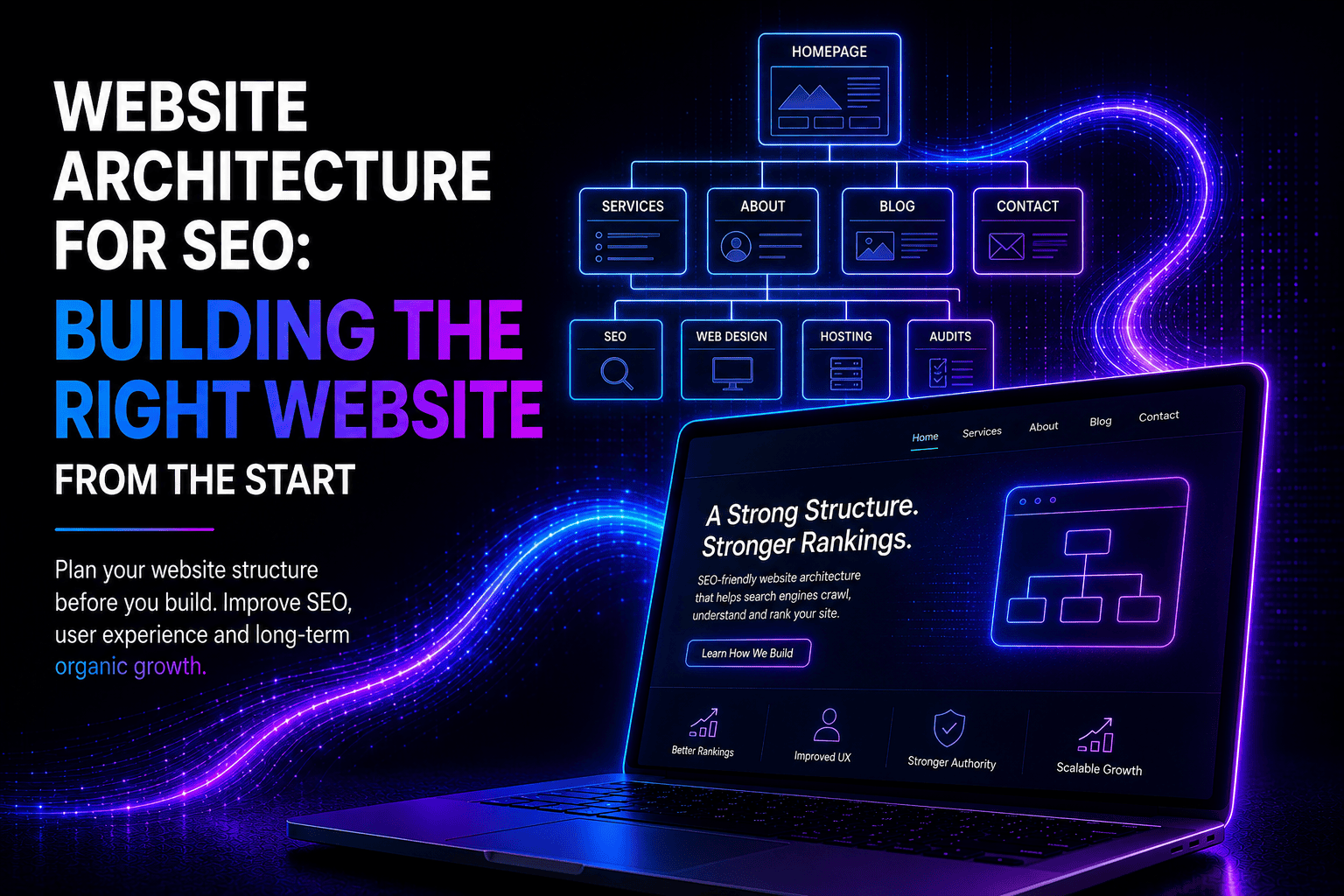
- Poor website structure
- Slow website speed
- Thin or low-quality content
- Keyword stuffing
- Ignoring mobile optimisation
- Poor internal linking
- Lack of technical SEO
- Duplicate content
Avoiding these mistakes can significantly improve website performance.
The Benefits of SEO
A strong SEO strategy can help businesses achieve:
- Higher search rankings
- More website traffic
- Increased lead generation
- Better brand credibility
- Improved customer trust
- Long-term digital growth
Unlike short-term marketing campaigns, SEO can continue generating results over time.
SEO Trends for 2026
SEO continues to evolve rapidly.
Important trends include:
- AI-driven search experiences
- Voice search optimisation
- Video SEO
- Search intent optimisation
- Helpful content updates
- User experience signals
- E-E-A-T (Experience, Expertise, Authoritativeness, Trustworthiness)
Businesses that adapt to changing SEO trends will maintain stronger online visibility.
Why Businesses Need Professional SEO Services
SEO has become more technical and competitive over the years.
Professional SEO services help businesses with:
- Technical website optimisation
- Content strategies
- Keyword research
- Link building
- SEO audits
- Analytics and reporting
- Ongoing optimisation
Working with experienced SEO professionals can help businesses achieve stronger long-term digital results.
Conclusion
SEO is one of the most powerful digital marketing strategies for businesses looking to improve online visibility and attract more customers. From technical optimisation and keyword research to content creation and user experience, SEO helps websites rank higher in search results and generate sustainable organic traffic.
As search engines continue evolving in 2026, businesses that invest in high-quality SEO strategies will be better positioned for long-term online growth and digital success.
Frequently Asked Questions About SEO
What does SEO stand for?
SEO stands for Search Engine Optimisation.
What is the purpose of SEO?
SEO helps improve a website’s visibility in search engine results to increase organic traffic and generate more leads or sales.
Why is SEO important for businesses?
SEO helps businesses attract customers online, improve brand visibility, and compete more effectively in digital markets.
What are keywords in SEO?
Keywords are words or phrases users search for on search engines such as Google.
What is on-page SEO?
On-page SEO focuses on optimising website content, headings, keywords, images, and internal links.
What is technical SEO?
Technical SEO improves website performance, crawlability, mobile usability, and indexing for search engines.
What is local SEO?
Local SEO helps businesses rank for location-based searches such as “SEO company in Durban” or “website designer near me.”
How long does SEO take to work?
SEO is a long-term strategy. Some results may appear within a few months, while competitive industries may take longer.
Is SEO better than paid advertising?
SEO and paid advertising serve different purposes. SEO provides long-term organic traffic, while paid advertising generates immediate visibility.
What is Google’s mobile-first indexing?
Mobile-first indexing means Google primarily uses the mobile version of websites when determining rankings.
What are backlinks in SEO?
Backlinks are links from other websites pointing to your site. High-quality backlinks help improve website authority.
What are common SEO mistakes?
Common mistakes include:
- Slow website speed
- Poor mobile optimisation
- Thin content
- Keyword stuffing
- Broken links
- Weak technical SEO
What is E-E-A-T in SEO?
E-E-A-T stands for:
- Experience
- Expertise
- Authoritativeness
- Trustworthiness
These are important quality signals used by Google to evaluate content.
Why should businesses invest in SEO in 2026?
SEO helps businesses build long-term online visibility, improve customer trust, and generate sustainable organic traffic in an increasingly competitive digital environment.