The Importance of SEO-Friendly Website Design
How Website Design Impacts Google Rankings, Traffic and User Experience
Website design is no longer only about appearance. In modern digital marketing, a website must also be built with SEO (Search Engine Optimisation) in mind.
A visually attractive website that loads slowly, performs poorly on mobile devices, or lacks proper SEO structure can struggle to rank on Google regardless of how good the design looks.
SEO-friendly website design combines:
- User experience
- Website performance
- Mobile responsiveness
- Technical SEO
- Search engine accessibility
- Content structure
Businesses that invest in SEO-friendly website design are far more likely to improve rankings, increase organic traffic, and generate better long-term results online.
What Is SEO-Friendly Website Design?
SEO-friendly website design refers to building websites that are:
- Easy for users to navigate
- Easy for Google to crawl
- Fast-loading
- Mobile-friendly
- Structured correctly
- Optimised for search visibility
An SEO-friendly website helps search engines better understand:
- Your content
- Your services
- Your location
- Your products
- Your website structure
Good design and SEO should always work together.
Why Website Design Matters for SEO
Google considers many website experience signals when ranking websites.
Poor website design can negatively impact:
- Rankings
- Bounce rates
- Conversions
- Mobile usability
- Crawlability
- User engagement
Strong SEO-friendly design improves:
- User experience
- Search visibility
- Page speed
- Lead generation
- Conversion rates
- Mobile performance
A website is often the foundation of a business’s entire digital presence.
1. Mobile-Friendly Design Is Essential
Most users now browse websites on mobile devices.
Google uses mobile-first indexing, meaning it primarily evaluates the mobile version of your website when determining rankings.
Your website should:
- Display properly on phones
- Use readable font sizes
- Have mobile-friendly menus
- Load quickly
- Avoid intrusive popups
- Be easy to navigate
A poor mobile experience can dramatically reduce SEO performance.
2. Website Speed Affects Rankings
Page speed is one of the most important technical SEO factors.
Slow websites can increase:
- Bounce rates
- User frustration
- Cart abandonment
- Ranking issues
Website speed improvements may include:
- Image compression
- Better hosting
- Optimised code
- Browser caching
- Faster themes
- Reduced plugin usage
Fast-loading websites create better experiences for both users and search engines.
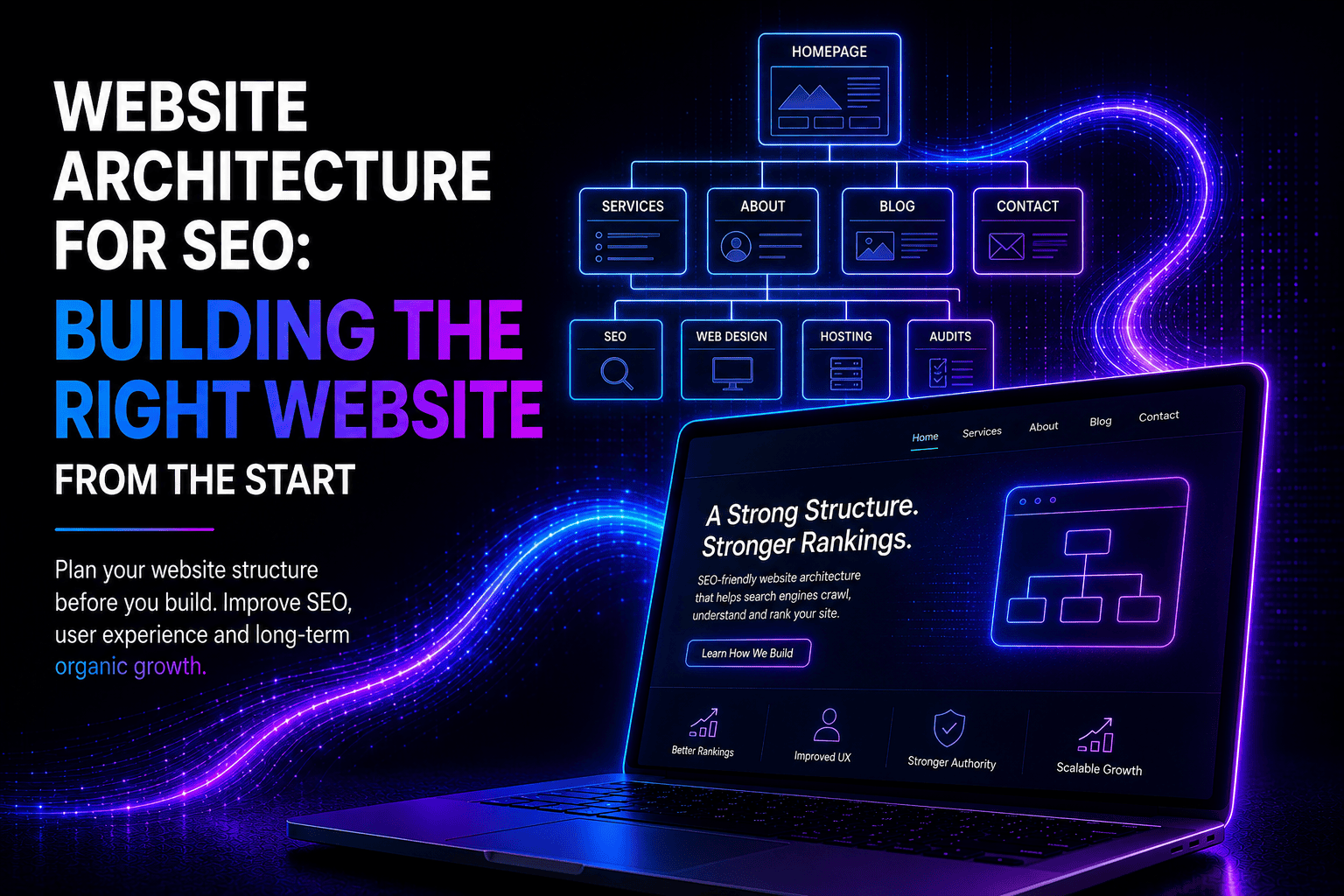
3. Proper Website Structure Improves SEO
Good website structure helps Google understand your website.
An SEO-friendly structure includes:
- Clear navigation
- Logical page hierarchy
- Internal linking
- Optimised URLs
- Organised categories
- Structured headings
Example:
- Homepage
- Service Pages
- Blog Categories
- Product Categories
- Location Pages
Well-structured websites are easier to crawl and index.
4. SEO-Friendly URLs Matter
URLs should be:
- Short
- Clear
- Keyword-focused
- Easy to understand
Examples:
- /seo-services-durban/
- /south-coast-accommodation/
- /google-analytics-4-services/
Avoid:
- random numbers
- confusing symbols
- long unnecessary URLs
Clean URLs improve usability and SEO relevance.
5. Heading Structure Helps Google Understand Content
Headings organise content for both users and search engines.
Best practices include:
- One H1 per page
- H2s for major sections
- H3s for supporting topics
Proper heading structure improves:
- Readability
- SEO clarity
- User experience
- Accessibility
Structured content also increases the likelihood of ranking for featured snippets.
6. User Experience Impacts SEO
Google increasingly prioritises websites that provide good user experiences.
Important UX factors include:
- Easy navigation
- Clear layouts
- Fast performance
- Readable content
- Accessibility
- Strong call-to-actions
A confusing or cluttered website can hurt both rankings and conversions.
7. Internal Linking Strengthens SEO
Internal links help:
- Guide visitors
- Improve crawlability
- Distribute page authority
- Increase time on site
Examples:
- Linking blogs to service pages
- Linking products to categories
- Linking location pages together
A strong internal linking strategy helps improve overall website SEO performance.
8. SEO Content and Design Must Work Together
Many websites either focus too heavily on:
- design only
or - SEO only
The best websites combine:
- clean design
- strong SEO structure
- helpful content
- fast performance
- mobile optimisation
A beautiful website without SEO may never rank, while an SEO-focused website with poor design may struggle to convert visitors.
9. Technical SEO Is Part of Website Design
Technical SEO is often built directly into website design and development.
Important technical SEO elements include:
- XML sitemaps
- Schema markup
- HTTPS security
- Canonical tags
- Core Web Vitals
- Crawlability
- Indexability
These elements help search engines properly understand and rank your website.
10. SEO-Friendly Design Improves Conversions
SEO-friendly websites not only attract traffic but also help convert visitors into customers.
Good website design improves:
- Lead generation
- Sales
- Enquiries
- Booking conversions
- Customer trust
Visitors are more likely to stay on websites that:
- look professional
- load quickly
- are easy to navigate
- provide useful information
Common Website Design SEO Mistakes
Many businesses still struggle because of:
- Slow-loading websites
- Poor mobile layouts
- Broken links
- Weak navigation
- Large image files
- Poor heading structure
- Thin content
- No SEO optimisation
- Confusing page layouts
Fixing these issues can significantly improve rankings and user engagement.
FAQs About SEO-Friendly Website Design
What is SEO-friendly website design?
SEO-friendly website design refers to building websites that are easy for both users and search engines to navigate, understand, and access.
Does website design affect Google rankings?
Yes. Website speed, mobile responsiveness, user experience, and technical SEO all influence Google rankings.
Why is mobile-friendly design important for SEO?
Google uses mobile-first indexing, meaning mobile usability is a major ranking factor.
Can slow websites hurt SEO?
Yes. Slow-loading websites can increase bounce rates and negatively affect rankings and user experience.
What is the difference between web design and SEO?
Web design focuses on appearance and usability, while SEO focuses on improving visibility in search engines. The best websites combine both.
Final Thoughts
SEO-friendly website design is one of the most important foundations of long-term online success.
From mobile responsiveness and fast loading speeds to website structure and technical SEO, every design decision can influence how well a website performs in Google Search.
Businesses investing in websites that combine strong design with SEO best practices are far more likely to improve rankings, attract organic traffic, and generate better long-term digital results.