WordPress SEO in 2026: What Actually Works and What Breaks Your Rankings
WordPress remains one of the most widely used website platforms in the world, powering a large portion of business websites, blogs, and e-commerce stores. But in 2026, simply having a WordPress site is no longer enough to rank well on Google.
Search engines have become significantly more advanced, with AI-driven ranking systems, stricter Core Web Vitals requirements, and a stronger focus on user experience, site performance, and content quality. This means WordPress SEO is no longer about installing a plugin and adding keywords — it is about building a technically strong, fast, and well-structured digital ecosystem.
In this guide, we break down what actually works for WordPress SEO in 2026, what no longer works, and what actively damages your rankings.
What Actually Works in WordPress SEO in 2026
1. Fast, Lightweight WordPress Builds
Speed is now one of the most important ranking factors.
Modern WordPress SEO success depends heavily on:
- Lightweight themes
- Optimised hosting environments
- Minimal plugin usage
- Clean code structure
Google’s Core Web Vitals evaluate how quickly a page loads, how stable it is, and how fast users can interact with it. Slow WordPress sites often struggle to rank, even with strong content.
Key performance factors include:
- Server response time
- Image compression
- Caching systems
- CDN integration
- Reduced JavaScript bloat
A fast website improves both rankings and user engagement.
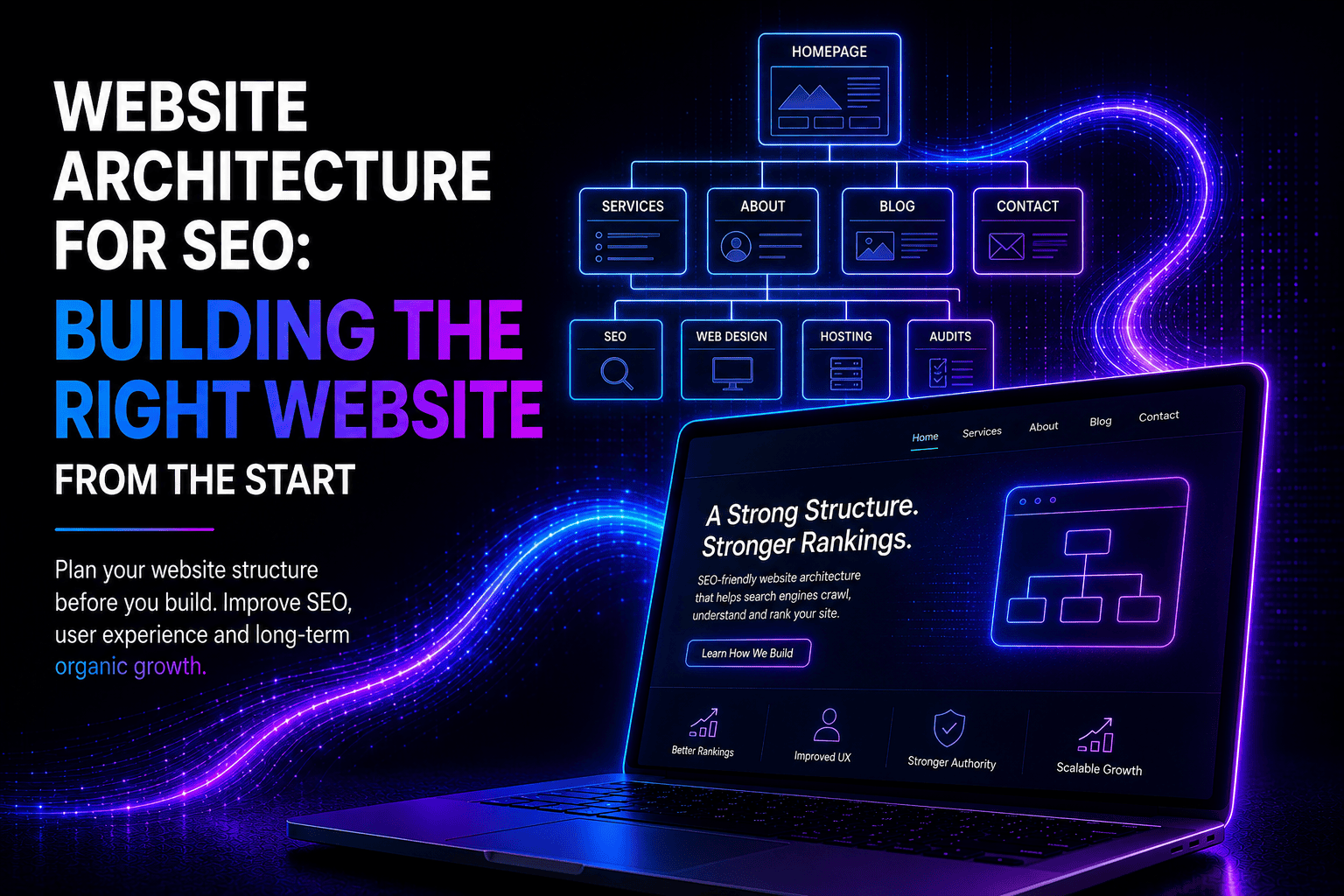
2. Clean Site Structure and SEO Architecture
Search engines now rely heavily on understanding website structure and topic relationships.
A well-optimised WordPress site should have:
- Clear navigation
- Logical page hierarchy
- Strong internal linking
- Dedicated service pages
- Topic-based blog clusters
This helps Google understand:
- What your site is about
- Which pages are most important
- How content is connected
Structured websites tend to rank faster and more consistently than disorganised ones.
3. Intent-Based Content (Not Keyword Stuffing)
Modern WordPress SEO is driven by search intent, not keyword density.
Instead of repeating keywords, successful pages:
- Answer user questions clearly
- Solve specific problems
- Provide useful explanations
- Cover related subtopics
For example, a page targeting “WordPress SEO” should also cover:
- speed optimisation
- plugins
- hosting impact
- Core Web Vitals
- technical SEO
This improves relevance and increases ranking potential across multiple queries.
4. Technical SEO Foundations
Technical SEO remains one of the strongest ranking factors in 2026.
A properly optimised WordPress site includes:
- XML sitemaps
- Clean URL structure
- Schema markup
- Mobile responsiveness
- Secure HTTPS setup
- Proper indexing rules
Search engines prioritise websites that are easy to crawl, interpret, and index.
5. Mobile-First Optimisation
Most users now browse on mobile devices, making mobile optimisation essential.
A strong WordPress SEO setup ensures:
- Responsive design
- Fast mobile loading speeds
- Easy navigation
- Readable text without zooming
Mobile performance directly affects rankings and conversions.
6. High-Quality Backlinks from Relevant Sources
Backlinks remain important, but quality matters far more than quantity.
Strong WordPress SEO uses backlinks from:
- Industry-relevant websites
- Local business directories
- Authority blogs
- Trusted publications
Natural, contextual links build long-term authority.
7. Internal Linking Between Pages
Internal linking helps distribute authority across your website.
Effective internal linking:
- Connects related blog posts
- Strengthens service pages
- Improves crawl efficiency
- Keeps users engaged longer
Well-linked sites tend to outperform isolated pages.
What Breaks WordPress Rankings in 2026
1. Too Many Plugins
One of the biggest WordPress SEO mistakes is plugin overload.
Too many plugins can cause:
- Slow site speed
- Code conflicts
- Security vulnerabilities
- Poor Core Web Vitals scores
A bloated WordPress site often underperforms, even with good content.
2. Slow or Low-Quality Hosting
Hosting is no longer just infrastructure — it is a ranking factor.
Poor hosting leads to:
- Slow loading times
- Downtime issues
- Poor user experience
- Lower rankings
Even well-optimised websites struggle if hosting is weak.
3. Thin or Generic AI Content
In 2026, search engines can easily detect low-value content.
Content that harms rankings includes:
- Generic AI-written blogs without depth
- Duplicate content across pages
- Pages with no real expertise or insight
Google prioritises experience, usefulness, and originality.
4. Keyword Stuffing
Old SEO tactics like repeating keywords excessively are now harmful.
Instead of improving rankings, keyword stuffing:
- Reduces readability
- Triggers spam signals
- Lowers user engagement
Modern SEO rewards natural, meaningful language.
5. Poor Mobile Experience
A site that looks good on desktop but performs poorly on mobile will struggle to rank.
Common mobile issues include:
- Slow loading images
- Broken layouts
- Hard-to-click buttons
- Intrusive popups
Mobile-first indexing makes this critical.
6. Weak Internal Structure
Disorganised websites confuse both users and search engines.
Problems include:
- Missing internal links
- Random page structure
- No clear topic hierarchy
This reduces crawl efficiency and ranking potential.
7. Ignoring Core Web Vitals
Core Web Vitals now directly influence rankings.
Ignoring them leads to:
- Lower visibility
- Reduced organic traffic
- Poor user experience scores
Key metrics include:
- Loading performance
- Visual stability
- Interactivity speed
The Real SEO Shift in WordPress (2026)
WordPress SEO is no longer just about plugins and blog posts.
It now requires:
- Technical performance optimisation
- Structured content strategy
- AI-ready formatting
- Mobile-first design
- High-quality hosting
- Intent-focused content
Search engines now evaluate websites like real user experiences, not just pages of text.
Why Most WordPress Sites Fail to Rank
Most websites fail not because of bad content, but because of:
- Slow hosting
- Poor structure
- Weak technical SEO
- Overuse of plugins
- Lack of strategy
SEO success in 2026 is about fixing these foundations first.
Final Thoughts
WordPress remains one of the most powerful website platforms, but only when it is properly optimised.
The biggest difference between ranking and not ranking is no longer content alone — it is the combination of:
- Speed
- Structure
- Technical SEO
- User experience
- Intent-driven content
- Authority building
Businesses that treat WordPress SEO as a complete system rather than a plugin-based solution will dominate search visibility in 2026.
For businesses looking to improve WordPress performance, technical SEO, and long-term organic growth, Web Anatomy SEO provides a systems-based approach that aligns website development, hosting, and SEO strategy into one integrated framework.