What Is Website Design?
In today’s digital-first world, your website is often the first point of contact between your business and potential customers. Website design is more than just aesthetics — it’s a strategic tool that combines visual appeal, usability, and functionality to create a seamless experience for your audience. For South African businesses, a professionally designed website can be the difference between attracting loyal customers and losing them to competitors.
This guide provides a comprehensive overview of website design, explaining what it is, why it matters, the key components of an effective website, and practical tips for building a website that converts visitors into customers.
What Is Website Design?
Website design is the process of planning, creating, and arranging the elements of a website to provide users with an engaging and efficient online experience. It goes beyond making your site look visually attractive — it focuses on usability, accessibility, and responsiveness.
A well-designed website balances:
- Visual Design: The layout, colours, fonts, and images that communicate your brand identity.
- User Experience (UX): How easy it is for visitors to navigate and achieve their goals.
- User Interface (UI): Interactive elements such as buttons, menus, forms, and links.
- Content Structure: Organizing text, images, and multimedia for clarity and engagement.
- Responsive Design: Ensuring your website works seamlessly across desktops, tablets, and smartphones.
Website design combines creativity and technical skill, merging the artistic and functional sides of a website to make it both appealing and effective.
Why Website Design Matters for South African Businesses
For South African businesses, website design is a critical factor in growth and credibility. Here’s why:
- Builds Trust and Credibility
Consumers judge a business by its website. A modern, professional design creates trust and shows that your business is reliable and competent. - Improves Visibility
SEO-friendly web design makes your website more discoverable on Google, increasing traffic from potential customers in your city, province, or nationwide. - Boosts Conversions
Clear navigation, engaging visuals, and well-placed calls-to-action encourage visitors to take action — whether that’s making a purchase, booking a service, or submitting an enquiry. - Strengthens Your Brand
Your website communicates your brand values, story, and professionalism. Consistency across visuals and messaging reinforces your brand identity. - Supports Marketing and Sales Efforts
From social media campaigns to email marketing, a well-designed website is the hub of your online business strategy.
Key Components of Effective Website Design
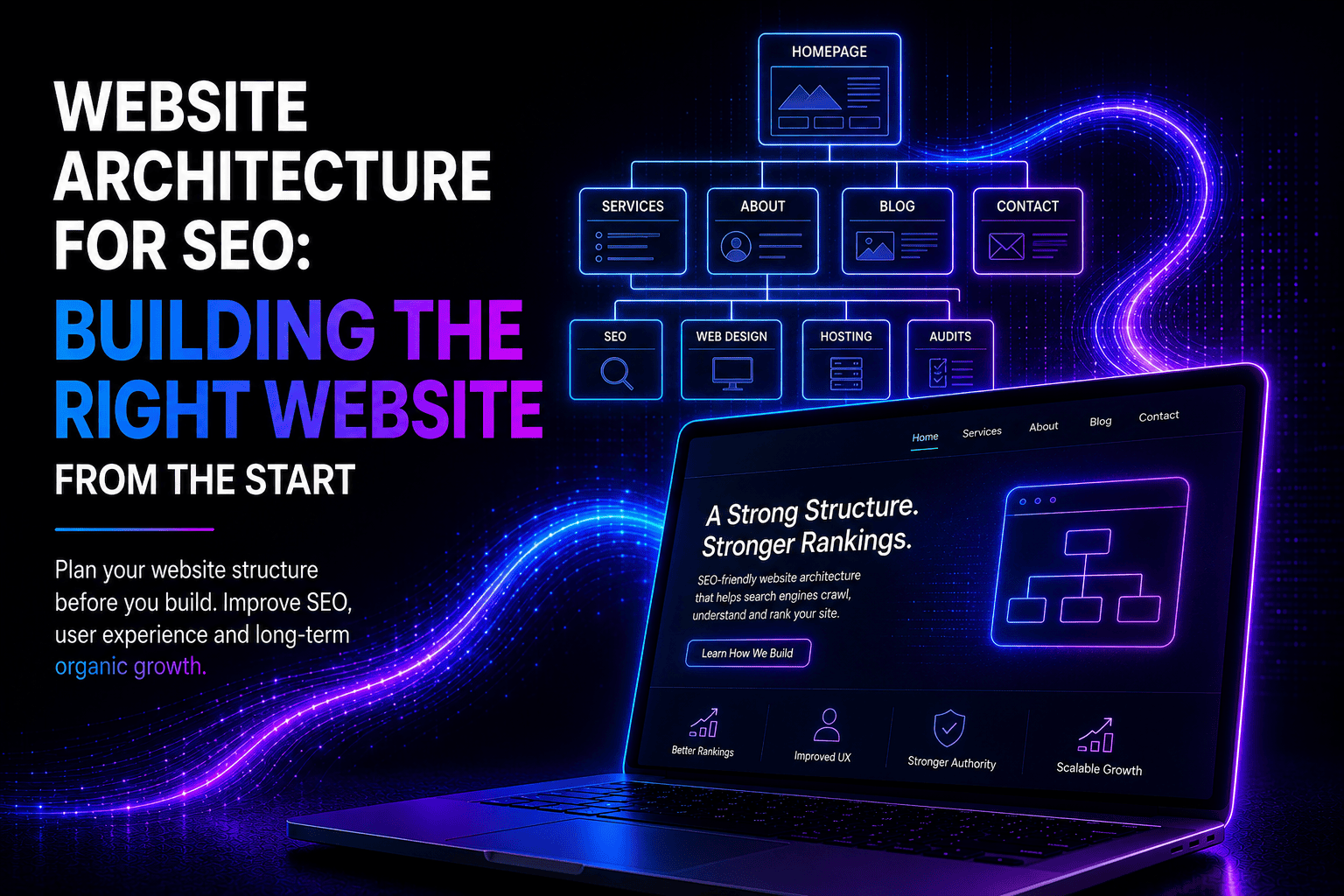
1. Layout and Navigation
A clean, intuitive layout is essential for user-friendly navigation. Important considerations include:
- Logical menu structures
- Clear headings and subheadings
- Prioritizing key content above the fold
- Consistent layouts across pages
Good layout ensures visitors can find what they’re looking for quickly, improving engagement and reducing bounce rates.
2. Mobile Responsiveness
Over 60% of South Africans browse the web using mobile devices. A responsive design ensures that your website adapts to any screen size, maintaining readability and functionality. Without mobile optimization, you risk losing a significant portion of your audience.
3. Fast Loading Speeds
Website visitors expect speed. Slow-loading websites frustrate users and negatively affect SEO. Improve speed by:
- Compressing images
- Minimizing heavy scripts
- Using caching and reliable hosting
Tools like Google PageSpeed Insights can help identify areas for improvement.
4. Visual Design and Branding
Strong visuals create a memorable first impression. Consider:
- Colour schemes that reflect your brand
- Readable fonts
- Professional images and graphics
- Minimalistic design to avoid clutter
Visual consistency reinforces your brand identity and builds recognition.
5. User Experience (UX)
User experience determines how easily visitors can navigate and interact with your site. Key UX elements include:
- Logical navigation menus
- Search functionality
- Structured content flow
- Accessible buttons and forms
A good UX increases engagement, retention, and conversions.
6. Content Strategy
Your content communicates your value and informs your audience. Include:
- Product or service descriptions
- About us pages explaining your business mission
- Blog content to educate or update customers
- Testimonials and case studies
High-quality content also supports SEO and positions your business as an expert in your industry.
7. SEO Optimization
SEO-friendly web design ensures your site ranks higher in search engines. Elements include:
- Optimized titles and meta descriptions
- Proper heading hierarchy (H1, H2, H3)
- Image alt texts
- Mobile-friendly design and fast loading pages
For South African businesses, incorporating local keywords like city or province names can attract targeted local traffic.
8. Calls-to-Action (CTAs)
CTAs guide visitors toward taking meaningful actions, such as:
- Requesting a quote
- Signing up for newsletters
- Booking appointments
- Making purchases
Strategically placed CTAs help convert visitors into leads and customers.
9. Social Media Integration
Linking your website to social media profiles:
- Encourages sharing
- Builds audience engagement
- Strengthens your digital presence
Social media buttons should be visible yet unobtrusive to maintain a clean design.
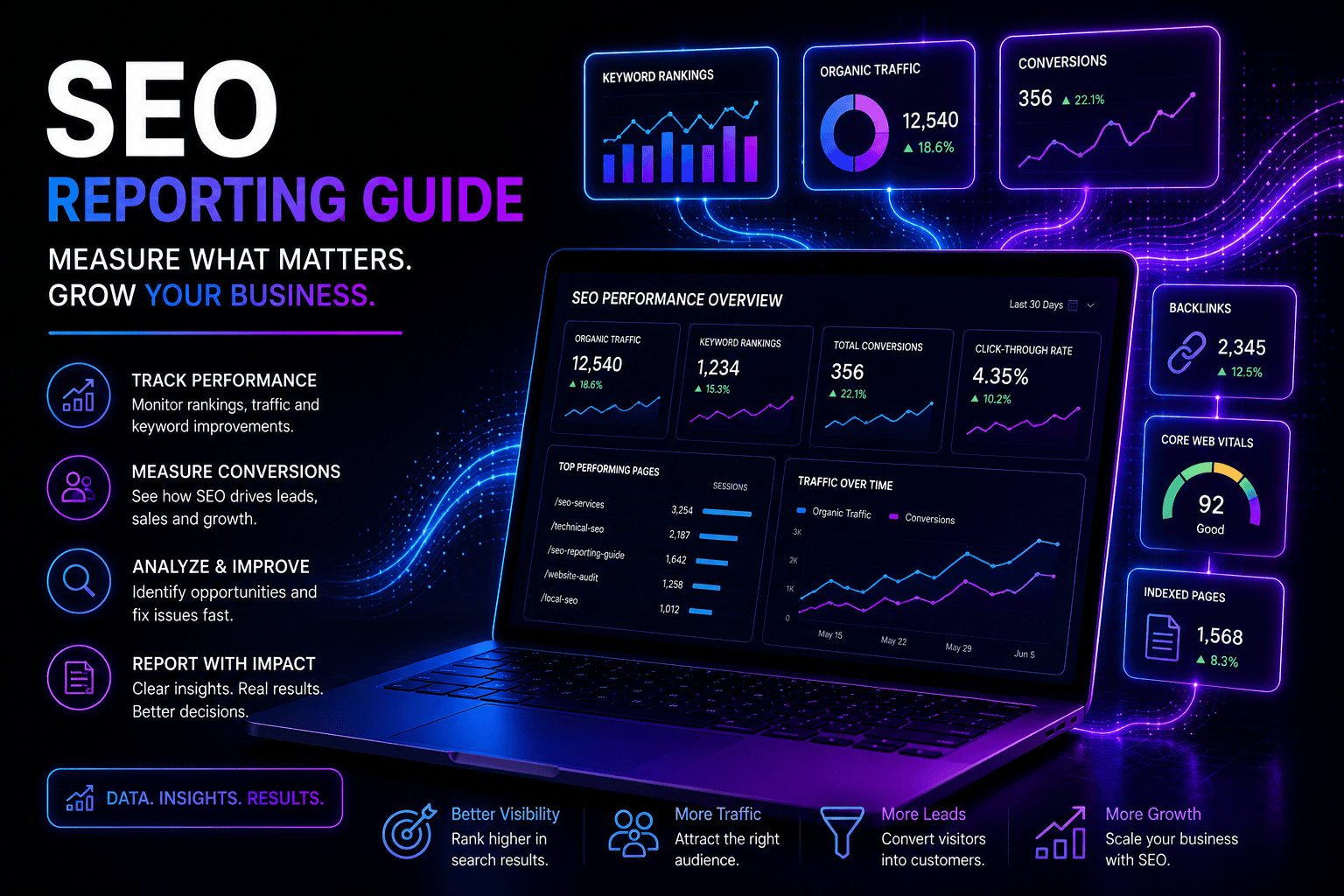
10. Analytics and Performance Monitoring
Tracking website performance is essential for continuous improvement. Use tools like Google Analytics or Google Search Console to monitor:
- Traffic and user behaviour
- Conversion rates
- Popular content and pages
- Audience demographics
Analyzing these metrics allows you to refine content, design, and marketing strategies.
Practical Tips for South African Businesses
- Choose the right platform: WordPress, Shopify, or Wix based on business needs.
- Hire professional designers if needed: Expertise ensures quality, functionality, and security.
- Focus on local SEO: Include city and province keywords for targeted traffic.
- Integrate local payment gateways: Options like iKhokha, PayFast, and SnapScan build trust and convenience.
- Comply with legal requirements: POPIA, privacy policies, and terms of service.
- Keep content fresh: Regularly update blogs, services, and product pages.
- Test your website: Gather user feedback to improve navigation, readability, and functionality.
Frequently Asked Questions (FAQ)
Q: What is the difference between website design and website development?
A: Website design focuses on look, feel, and user experience, while website development involves coding, functionality, and technical performance.
Q: How much does a professional website cost in South Africa?
A: Prices range widely. A basic small business site may cost R5,000–R15,000, while custom, feature-rich sites can exceed R50,000.
Q: How long does it take to build a website?
A: Simple websites can take 2–4 weeks, while custom or complex sites may take 2–3 months.
Q: Is mobile optimization really necessary?
A: Absolutely. Most South Africans browse on mobile devices, and responsive design ensures a seamless user experience across all screens.
Q: Can a well-designed website increase sales?
A: Yes. Professional design, clear CTAs, and a strong user experience improve engagement, trust, and conversions.
Q: How often should I update my website?
A: Regular updates improve SEO, security, and user experience. Weekly or monthly updates are ideal, especially for blogs or promotions.
Conclusion
Website design is more than just aesthetics — it’s a strategic investment in your business growth. For South African businesses, a professional, responsive, and SEO-optimized website not only builds credibility but also drives engagement, conversions, and long-term success.
Whether you’re a startup, small business, or established company, understanding website design principles ensures your online presence is professional, accessible, and effective. Combine it with local SEO, strong content, and ongoing performance monitoring, and your website becomes a powerful tool to grow your business online.
Take the next step: list your business on Business Hub Network, connect with digital marketing profession