8 Popular Website Types and Their Purposes 2026
In the modern digital landscape, a website is no longer just an online brochure. It is a strategic business asset that drives visibility, credibility, leads, and revenue. Choosing the correct website type is one of the most important decisions a business can make — because structure, functionality, and SEO performance all depend on purpose.
At Web Anatomy, every website we design starts with one question:
What is this website meant to achieve?
Understanding the most common website types — and how each supports business goals — helps organisations build smarter, more effective online platforms. Below, we break down the eight most popular website types, their purposes, and how they contribute to SEO, growth, and conversions.
1. Business / Corporate Websites
Purpose
A business website is the digital foundation of a brand. Its primary role is to establish credibility, communicate services, and generate enquiries.
Key Characteristics
- Clear service or product pages
- Company overview and brand messaging
- Contact forms and calls-to-action
- Trust signals such as testimonials and certifications
Who It’s Best For
- Small and medium businesses
- Professional service providers
- Consultants and agencies
- Corporate organisations
SEO & Performance Value
Business websites perform exceptionally well when built with local SEO and service-based keyword targeting. Proper page hierarchy, optimised headings, and conversion-focused layouts allow these sites to rank for high-intent searches and turn visitors into leads.
2. E-Commerce Websites
Purpose
E-commerce websites are designed to sell products or services online, managing everything from product listings to payment processing and order fulfilment.
Key Characteristics
- Product pages and categories
- Secure checkout and payment systems
- Inventory and order management
- Mobile-first user experience
Who It’s Best For
- Retail businesses
- Online brands
- Product-based companies
- Digital product sellers
SEO & Performance Value
E-commerce SEO focuses on:
- Product keyword optimisation
- Category structure
- Technical performance and speed
- User experience and conversion optimisation
A well-built e-commerce website becomes a 24/7 sales engine driven by organic search traffic.
3. Portfolio Websites
Purpose
Portfolio websites exist to showcase work, skills, and experience, acting as a visual résumé and credibility builder.
Key Characteristics
- Project galleries or case studies
- Visual-first design
- Clear contact or enquiry options
- Minimal but focused content
Who It’s Best For
- Designers
- Photographers
- Developers
- Architects
- Creative professionals
SEO & Performance Value
Portfolio websites benefit from niche keyword targeting, location-based SEO, and case-study content that demonstrates expertise and authority.
4. Blog and Content Websites
Purpose
Blog websites focus on publishing educational, informational, or thought-leadership content. They are often used to attract traffic, build authority, and support SEO strategies.
Key Characteristics
- Regularly published articles
- Category and tag organisation
- Search and navigation tools
- Content optimised for search intent
Who It’s Best For
- Content creators
- Brands using inbound marketing
- SEO-driven businesses
- Media platforms
SEO & Performance Value
Blogs are one of the most powerful SEO assets available. They allow websites to:
- Rank for long-tail keywords
- Answer user questions
- Support internal linking strategies
- Build topical authority over time
5. Landing Page Websites
Purpose
Landing pages are designed for one specific action, such as capturing leads, promoting a product, or driving event registrations.
Key Characteristics
- Single, focused message
- Strong call-to-action
- Minimal navigation
- Conversion-driven design
Who It’s Best For
- Marketing campaigns
- Paid advertising funnels
- Product launches
- Event promotions
SEO & Performance Value
Landing pages perform best when targeting high-intent keywords and are optimised for speed, clarity, and conversion. They often work alongside paid advertising and SEO campaigns.
6. Membership and Subscription Websites
Purpose
Membership websites offer exclusive content or services to registered users, often behind a paywall or login system.
Key Characteristics
- User accounts and profiles
- Restricted or premium content
- Subscription management
- Community or learning features
Who It’s Best For
- Online educators
- Fitness and coaching platforms
- Professional communities
- SaaS businesses
SEO & Performance Value
While much of the content may be gated, membership websites rely on public-facing SEO pages to attract traffic and convert visitors into members.
7. Educational and Informational Websites
Purpose
These websites exist to teach, inform, or provide structured knowledge, often through courses, resources, or learning materials.
Key Characteristics
- Structured content and navigation
- Learning paths or resource hubs
- Downloadable materials
- Clear educational objectives
Who It’s Best For
- Schools and institutions
- Training providers
- NGOs and public organisations
- Online learning platforms
SEO & Performance Value
Educational websites perform well due to high-value, evergreen content that aligns closely with informational search intent.
8. Non-Profit and Community Websites
Purpose
Non-profit websites focus on raising awareness, building trust, and encouraging participation or donations.
Key Characteristics
- Mission-driven storytelling
- Donation or support options
- Volunteer sign-ups
- Event promotion
Who It’s Best For
- Charities
- Community organisations
- Advocacy groups
- NGOs
SEO & Performance Value
These websites benefit from authentic content, trust signals, and informational authority, helping them rank for cause-related searches.
Why Website Purpose Matters for SEO
Search engines reward websites that:
- Clearly define their purpose
- Provide relevant content
- Deliver strong user experience
- Load fast and function smoothly
When website type and purpose are misaligned, SEO performance suffers. At Web Anatomy, we structure websites so that every page supports both user intent and search visibility.
Combining Website Types for Maximum Impact
Many high-performing websites combine multiple types, such as:
- Business website + blog
- E-commerce store + content hub
- Portfolio + service pages
This hybrid approach allows businesses to scale traffic, authority, and conversions over time.
How Web Anatomy Builds Purpose-Driven Websites
Our process focuses on:
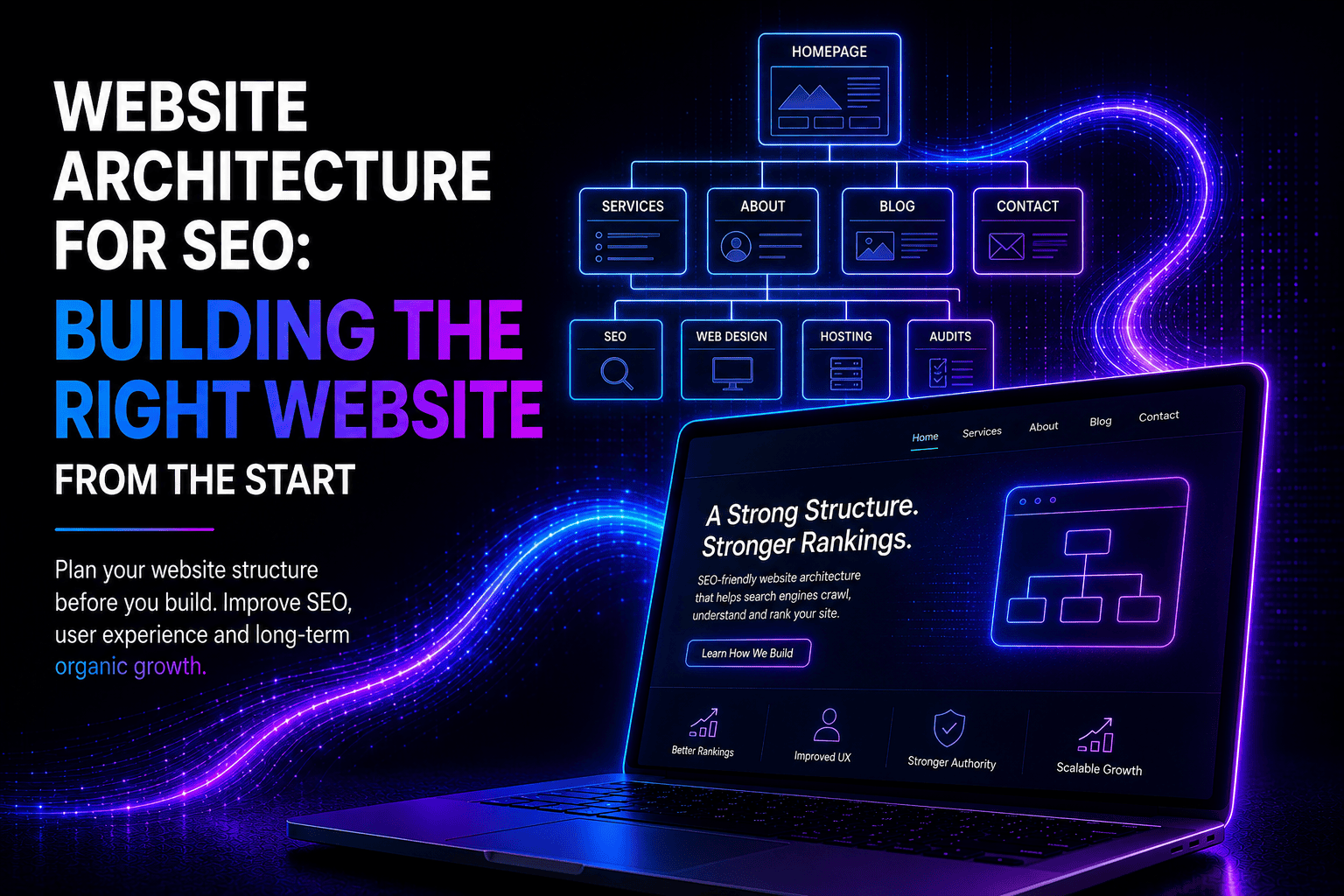
- SEO-first architecture
- Clear page hierarchy
- Conversion-focused design
- Mobile and performance optimisation
Every website is built to rank, convert, and grow, not just look good.
Frequently Asked Questions (FAQ)
What is the most common type of website?
Business and corporate websites are the most common, as nearly every organisation needs an online presence to showcase services and generate enquiries.
Can one website have multiple purposes?
Yes. Many websites successfully combine blogging, e-commerce, lead generation, and branding into one platform.
Which website type is best for SEO?
Content-driven websites and service-based business websites tend to perform best for long-term SEO when properly optimised.
Do all websites need a blog?
Not all websites require a blog, but blogs significantly improve SEO, authority, and organic traffic growth.
What website type is best for lead generation?
Business websites and landing page websites are the most effective for capturing qualified leads.
Is WordPress suitable for all website types?
Yes. WordPress is flexible enough to support business, blog, e-commerce, portfolio, and membership websites when built correctly.
How do I choose the right website type?
The right choice depends on your business goals, audience, and growth strategy. A clear website plan ensures the structure supports long-term success.
Conclusion
Understanding the different website types and their purposes is essential for building a digital platform that performs. A website should never exist without strategy — it must be purpose-driven, SEO-optimised, and conversion-focused.
At Web Anatomy, we design websites that work as strategic business tools, ensuring structure, content, and performance are aligned from the ground up.