Digital traffic is only valuable when it contributes to real business outcomes. Yet many businesses measure traffic in isolation — pageviews, sessions, or clicks — without understanding how users move through their digital ecosystem.
In 2026, successful businesses treat traffic as a system, not just a metric. Traffic architecture is the blueprint for guiding users from discovery to conversion, ensuring each digital touchpoint adds measurable value.
This article explains how to structure your website and digital channels to maximize visibility, engagement, and conversion.
What Is Traffic Architecture?
Traffic architecture is the strategic design of user pathways across your website and digital channels. It ensures that every visit:
- Starts with discovery (organic search, social, referrals)
- Moves through engagement (content, resources, information)
- Ends in conversion (lead, booking, purchase, or inquiry)
Think of it as a roadmap for user journeys, aligned with business objectives.
Why Traffic Architecture Matters
Without a clear traffic architecture, businesses risk:
- Users bouncing before conversion
- Wasted marketing spend
- Poor visibility into what drives results
- Fragmented content that confuses both visitors and search engines
A structured approach ensures that traffic translates into revenue, not just vanity metrics.
Step 1: Mapping Discovery Channels
The first stage of traffic architecture is discovery:
- Organic search: Visitors find you via Google, Bing, or other engines
- Paid search: Ads targeting high-intent queries
- Social media: Engagement drives awareness and curiosity
- Referrals: Trusted websites linking to your content
- Email campaigns: Nurtured lists directing traffic to resources
Understanding which channels feed traffic is critical for optimizing acquisition strategy.
Step 2: Designing Engagement Pathways
Once users arrive, how they interact with your site determines whether they convert.
Healthy engagement pathways include:
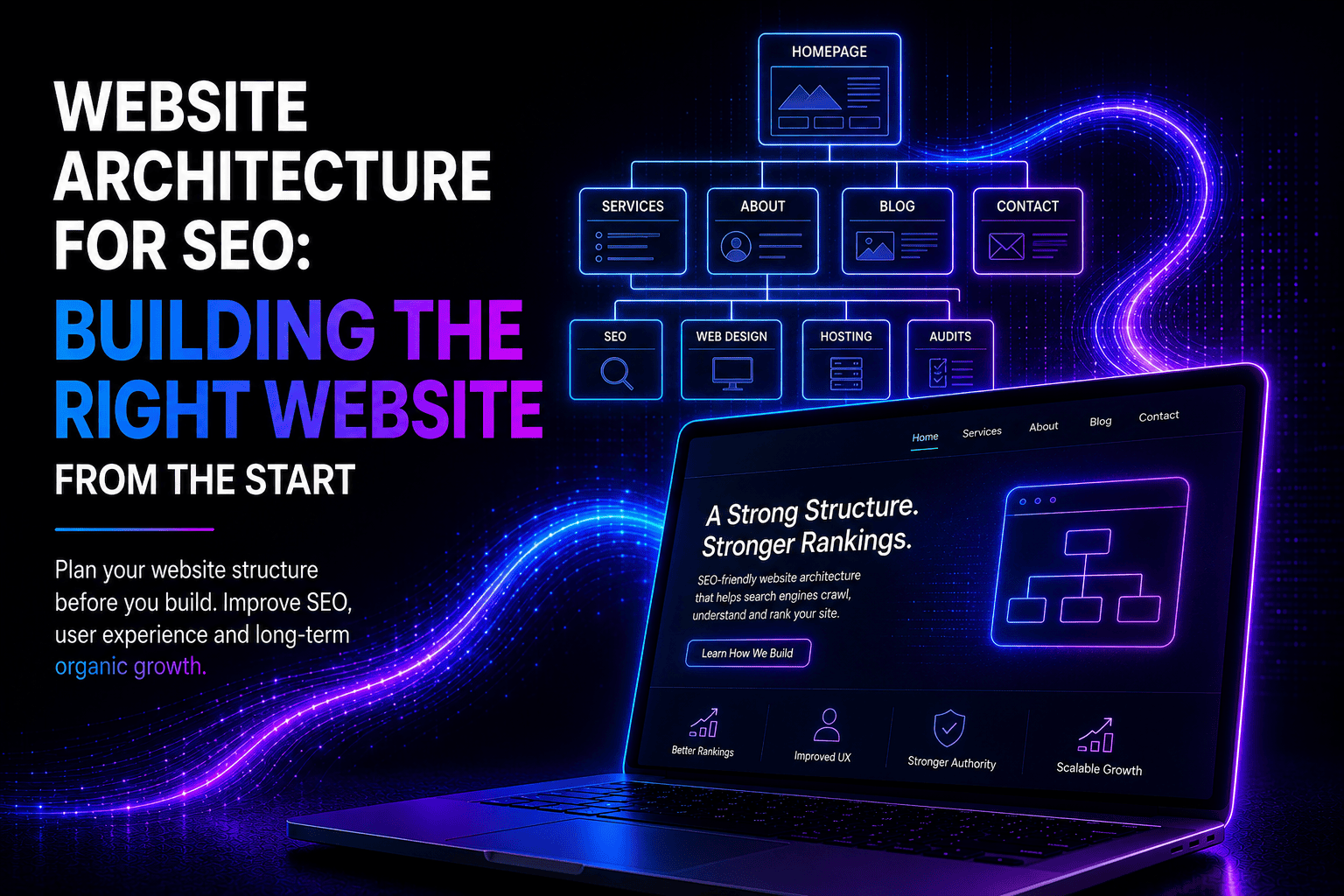
- Clear navigation and site hierarchy
- Strategic internal linking to related pages
- Relevant, high-value content aligned with search intent
- Calls-to-action at logical points in the journey
Engagement pathways guide users seamlessly, increasing the likelihood of conversions.
Step 3: Conversion Architecture
Conversion is the ultimate goal. This stage ensures that:
- Every landing page has a specific, measurable objective
- Forms, buttons, or booking systems are intuitive and fast
- Funnels are optimized for minimal friction
- Analytics tracks behavior from entry to conversion
Conversion architecture is where traffic becomes real business outcomes.
Step 4: Feedback Loops for Continuous Improvement
Traffic architecture isn’t static. Data-driven loops are essential:
- Track user paths and drop-off points
- Adjust content and navigation to remove friction
- Test variations (A/B testing, UX tweaks, messaging changes)
- Integrate learnings into other channels and locations
Continuous optimization turns your website into a self-improving growth engine.
The Role of SEO in Traffic Architecture
SEO is foundational for discovery. Within traffic architecture, SEO:
- Aligns pages with search intent
- Structures content clusters to support pathways
- Improves crawlability and authority
- Ensures that high-value pages attract qualified users
By integrating SEO with the full traffic pathway, businesses earn visibility that converts.
Content Strategy Aligned to User Journey
Content is not just marketing — it’s the fuel for traffic flow:
- Top-of-funnel content: Educational resources and guides
- Middle-of-funnel content: Case studies, demos, testimonials
- Bottom-of-funnel content: Service pages, pricing, lead forms
Each piece of content supports a step in the conversion journey, reinforcing both SEO and user experience.
Analytics and Measurement
Mapping traffic is incomplete without measurement:
- Track source, behavior, and outcome
- Measure channel efficiency and conversion rates
- Identify gaps where traffic drops off
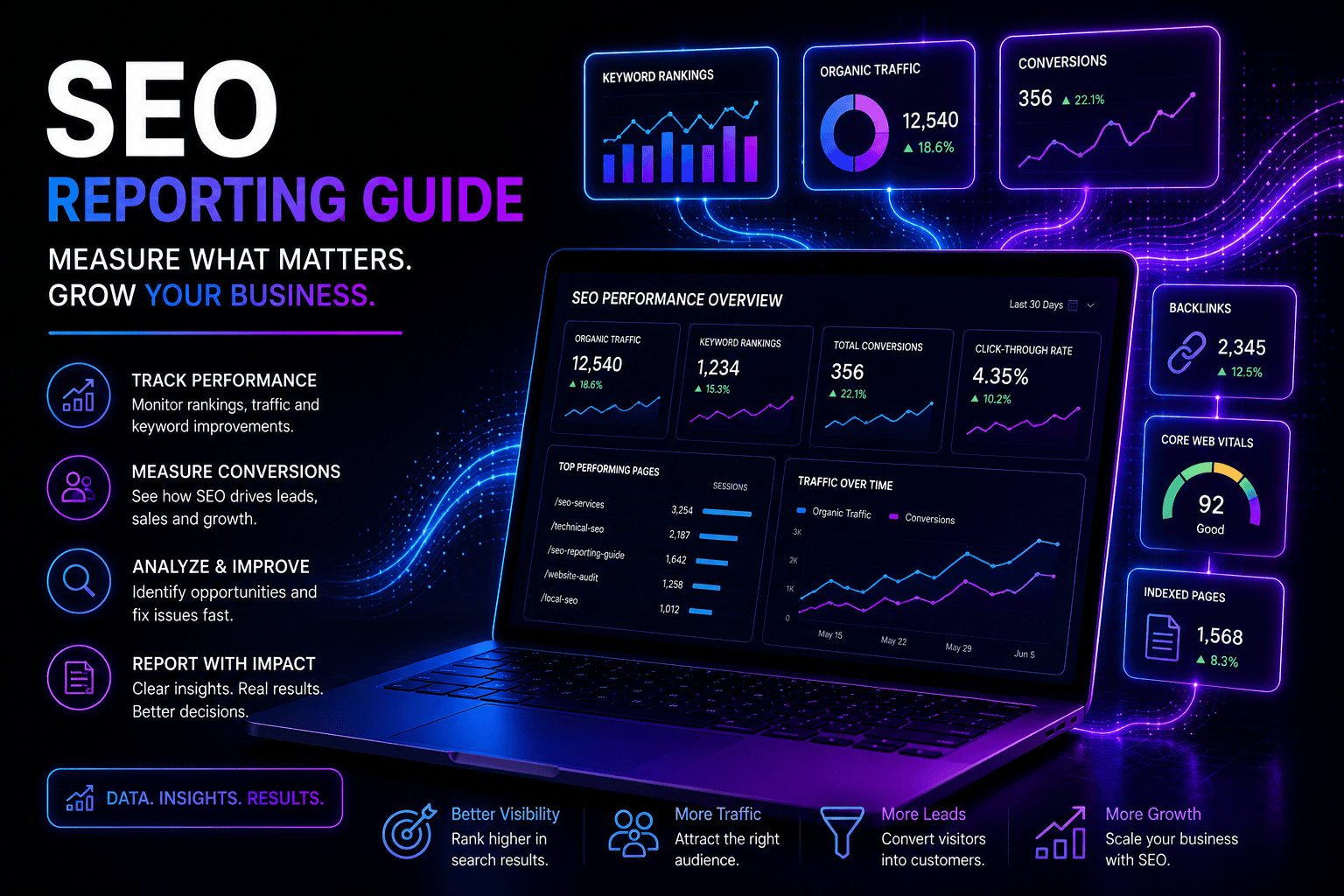
- Align metrics to business KPIs, not just sessions
A robust analytics framework ensures your traffic architecture is evidence-based and continuously improving.
FAQ: Website Traffic Architecture
What is the difference between traffic and traffic architecture?
Traffic is raw volume. Traffic architecture is the structured system that guides users to conversion.
Do all websites need traffic architecture?
Yes — without a structured pathway, even high traffic may produce minimal business outcomes.
How do I map my current user journey?
Use analytics, heatmaps, user flow reports, and conversion tracking to visualize paths.
Can traffic architecture improve SEO?
Absolutely. Structured pathways and content clusters improve both user experience and search engine visibility.
Is this only for large businesses?
No. Even small or single-location businesses benefit from clear, intentional traffic pathways.
Final Thoughts
Traffic alone is meaningless if it doesn’t contribute to growth. Website traffic architecture transforms visits into measurable outcomes, guiding users from discovery to engagement and ultimately conversion.
By integrating SEO, content strategy, user experience, and analytics, businesses create a digital system that scales.
Traffic architecture isn’t a tactic — it’s a strategic framework for sustainable digital growth in 2026 and beyond.