Managing one digital presence is challenging enough. Managing multiple locations — each with its own audience, visibility needs, and performance metrics — introduces a new level of complexity.
Multi-location digital management is the practice of controlling, optimising, and scaling all digital touchpoints across multiple business locations from a unified system. When done correctly, it delivers consistency, visibility, and growth without chaos.
What Is Multi-Location Digital Management?
Multi-location digital management refers to overseeing all online assets for businesses with more than one physical or service location, including:
- Websites and location pages
- Local SEO and search visibility
- Business listings and reviews
- Content and social media presence
- Analytics and performance tracking
The goal is to maintain central control while allowing local relevance.
Why Multi-Location Businesses Struggle Digitally
As businesses expand, common challenges emerge:
- Inconsistent branding and messaging
- Duplicate or competing content
- Conflicting SEO signals between locations
- Poor visibility in local search results
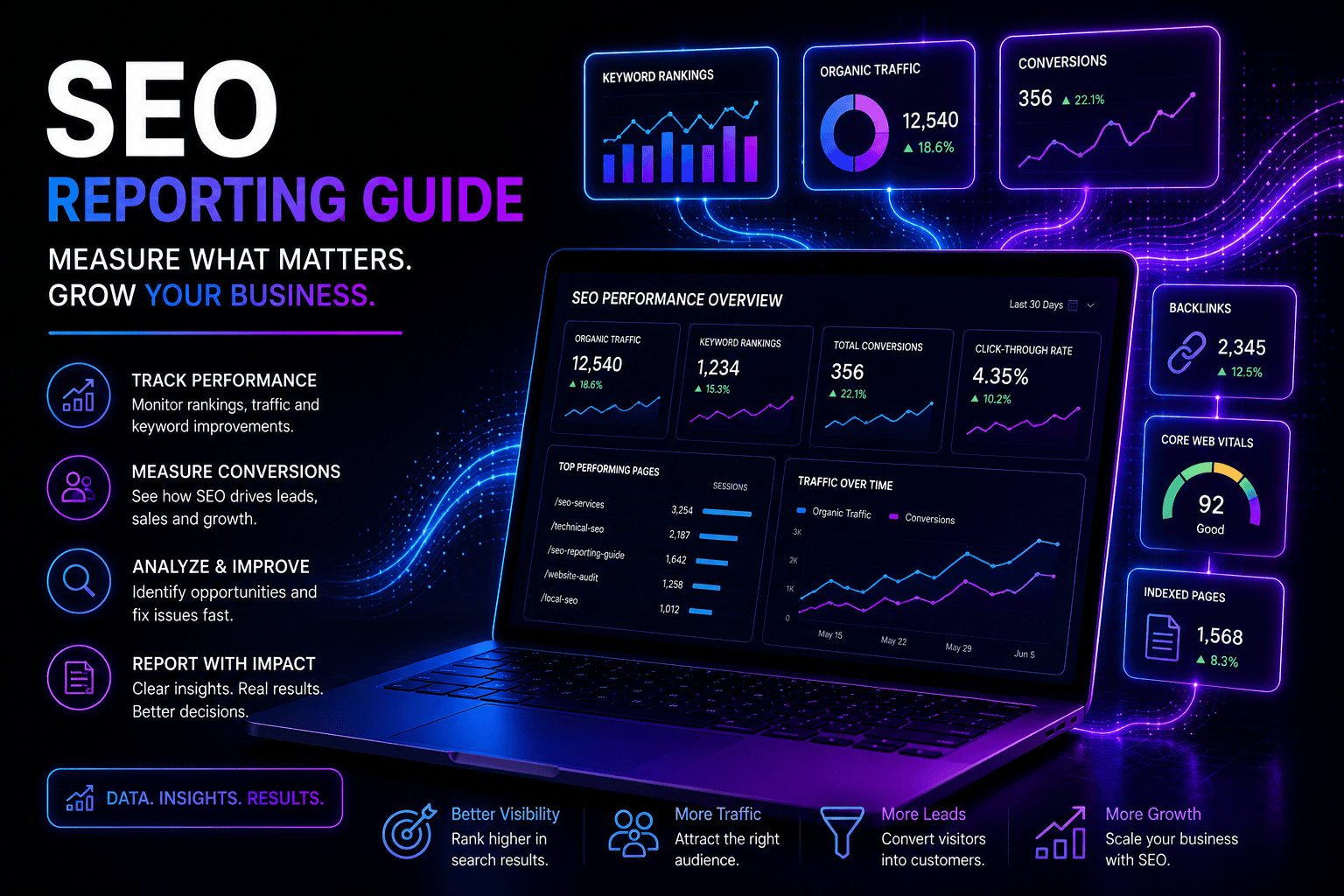
- Fragmented reporting and analytics
Without a structured system, growth leads to digital confusion rather than scale.
The Role of Website Architecture in Multi-Location Management
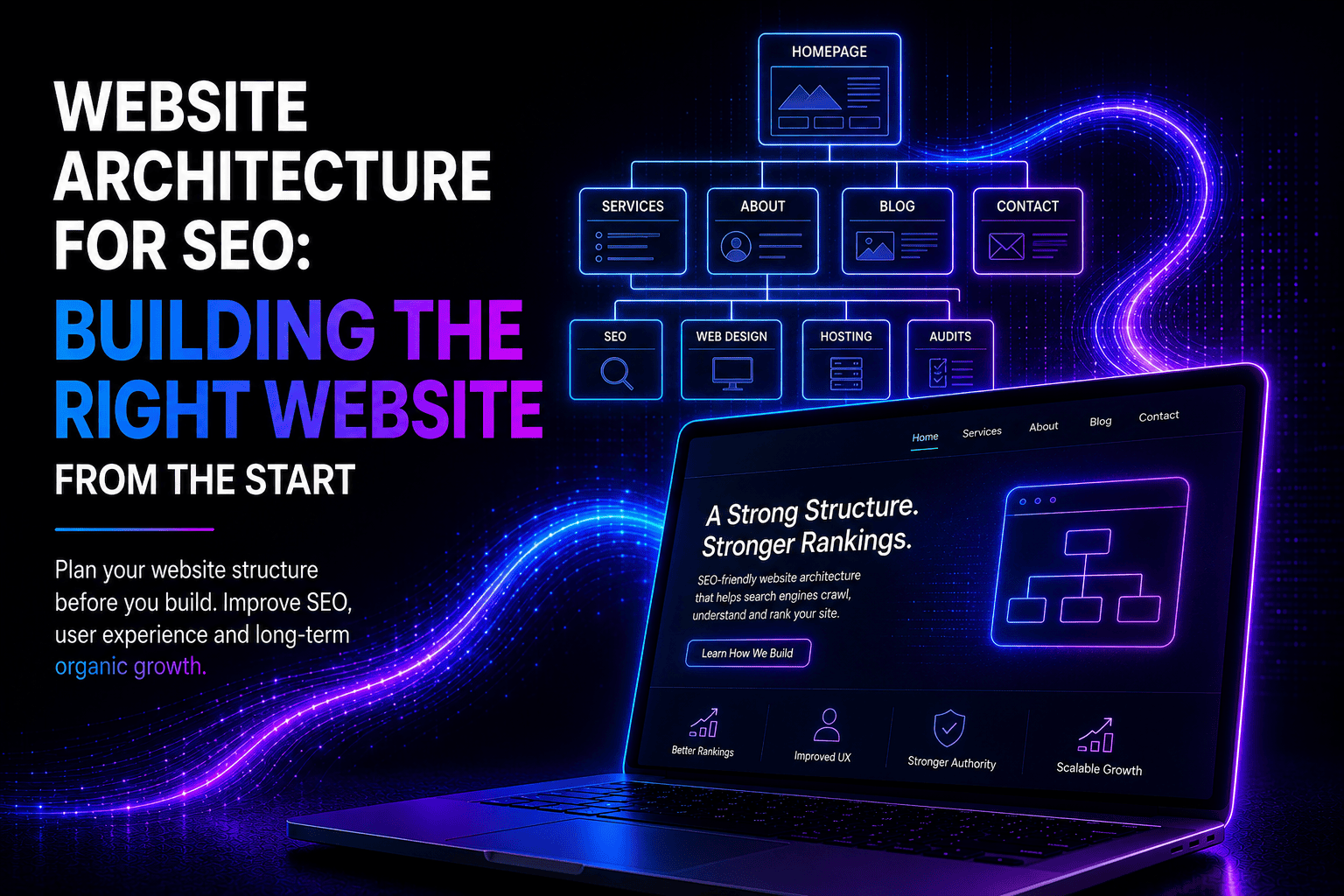
Website structure is the foundation of multi-location success.
Effective architecture:
- Clearly separates locations while maintaining brand consistency
- Uses structured location pages instead of duplicate content
- Supports local SEO signals for each market
Each location should have:
- A dedicated, optimised page
- Clear service and geographic relevance
- Logical internal linking
Architecture ensures search engines and users understand where and how you operate.
Local SEO at Scale
Local SEO is critical for multi-location businesses.
A scalable local SEO strategy includes:
- Optimised location pages
- Consistent business information
- Review management across locations
- Search intent alignment per area
Without coordination, locations compete against each other. With structure, they reinforce overall authority.
Content Strategy for Multiple Locations
Content must balance central messaging with local relevance.
Effective approaches include:
- Core brand content shared across the site
- Location-specific content addressing local needs
- Avoiding duplicated pages with minor changes
This approach improves rankings while maintaining trust.
Social Media and Local Engagement
Multi-location businesses often struggle with social media consistency.
A unified system allows:
- Central brand control
- Localised posting where needed
- Measurable engagement per location
Social media should support visibility, not create operational burden.
Analytics and Performance Tracking Across Locations
Growth requires clarity.
Multi-location analytics should provide:
- Performance insights per location
- Traffic source comparison
- Conversion tracking by region
Centralised reporting ensures leaders can identify:
- High-performing locations
- Underperforming markets
- Expansion opportunities
How Web Anatomy Supports Multi-Location Digital Management
Web Anatomy is designed for scalable digital systems.
It enables:
- Centralised website and content management
- Structured SEO and local optimisation
- Unified analytics across all locations
- Consistent brand control with local flexibility
Instead of managing multiple tools, businesses operate from one digital framework.
Who Needs Multi-Location Digital Management?
This approach is essential for:
- Franchise businesses
- Property and real estate groups
- Hospitality brands
- Professional services with regional offices
- Retail chains and service networks
Any business operating in multiple regions benefits from a unified system.
FAQ: Multi-Location Digital Management
Does each location need its own website?
Not always. Structured location pages within a single site often perform better.
How do you avoid duplicate content issues?
By creating unique, locally relevant content rather than copying pages.
Can local teams manage their own content?
Yes, with central oversight and structured permissions.
How does this impact SEO?
Strong architecture and local optimisation improve both local and national visibility.
Final Thoughts
Multi-location growth should not create digital disorder.
With the right structure, tools, and strategy, businesses can scale visibility while maintaining consistency and control. Multi-location digital management turns expansion into a competitive advantage instead of a liability.
When managed as a system — not as separate parts — digital growth becomes repeatable, measurable, and sustainable.