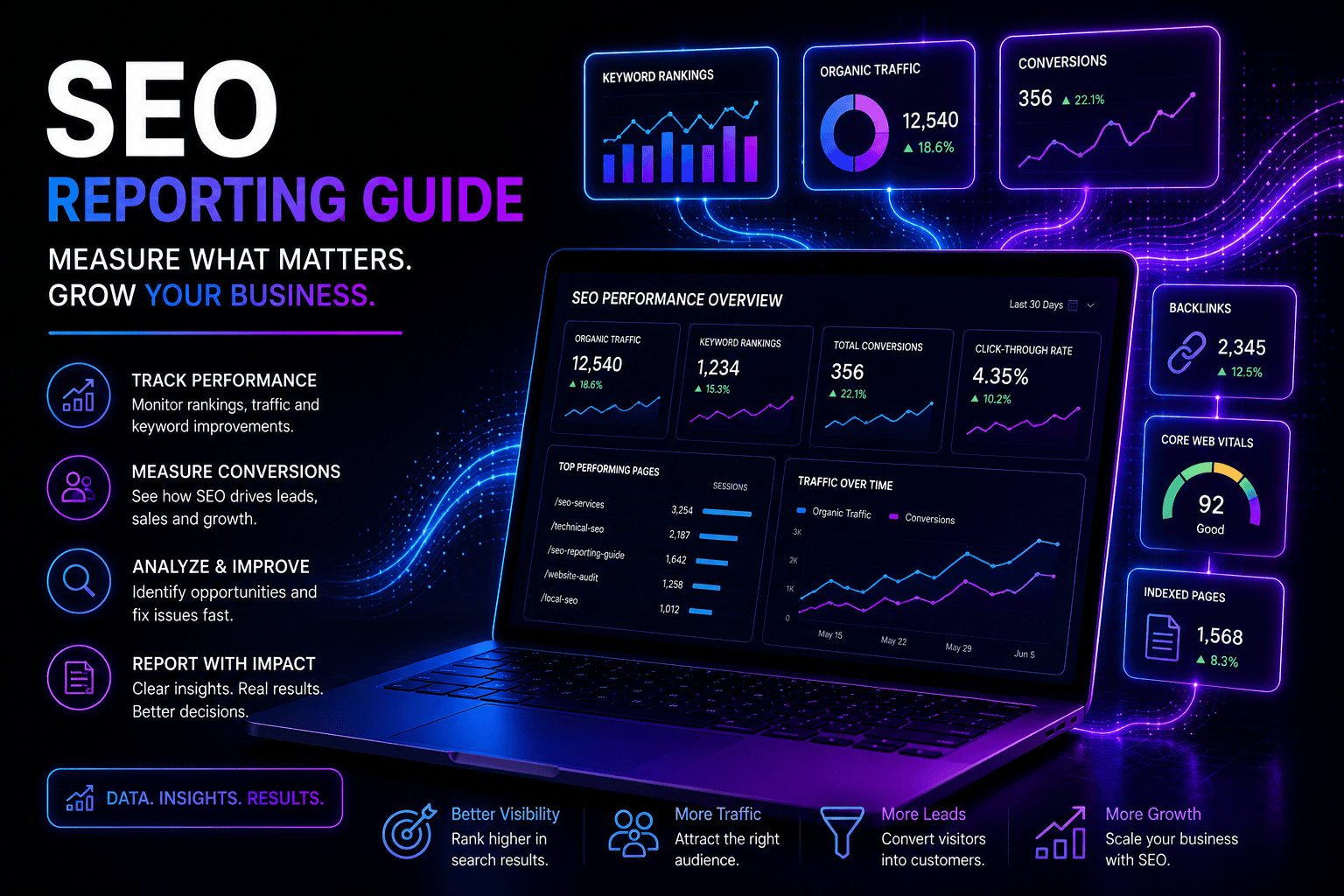
Search engine optimization (SEO) is no longer optional for businesses looking to succeed online. As search engines evolve, having the right tools is essential to monitor performance, uncover opportunities, and stay ahead of competitors. From startups to large enterprises, SEO tools provide data-driven insights to guide strategy, improve rankings, and grow visibility.
In this guide, we break down the essential SEO tools every South African business should consider in 2026, explain their use cases, and provide actionable advice for leveraging them effectively.
Why SEO Tools Matter in 2026
Search engines now prioritize:
- User experience
- Page performance and Core Web Vitals
- Content relevance and authority
- Mobile-first optimization
- Technical site health
Manually tracking rankings, auditing websites, or analyzing backlinks is no longer scalable. SEO tools automate, simplify, and provide actionable insights, ensuring businesses can make data-backed decisions.
The right tools empower businesses to:
- Identify technical SEO issues before they hurt rankings
- Discover new keyword opportunities
- Analyze competitors’ strategies
- Monitor backlinks and domain authority
- Measure ROI of SEO campaigns
Categories of SEO Tools
SEO tools come in several categories. Understanding each type helps you choose the right tools for your business needs.
1. Keyword Research Tools
Keyword research forms the foundation of SEO strategy. These tools help you understand what your audience is searching for and prioritize high-value opportunities.
Popular Keyword Research Tools:
- Ahrefs Keywords Explorer: Offers search volume, keyword difficulty, and competitor insights.
- SEMrush Keyword Magic Tool: Helps find long-tail keywords and related queries.
- Google Keyword Planner: Free tool providing keyword suggestions and estimated traffic.
- Ubersuggest: Affordable option for local and long-tail keyword research.
Use Case: Identify search terms your customers use, prioritize content creation, and align your website pages with search intent.
2. Technical SEO & Site Audit Tools
A healthy website is a high-ranking website. Technical SEO tools identify crawl errors, broken links, slow pages, and mobile usability issues.
Top Technical SEO Tools:
- Screaming Frog SEO Spider: Comprehensive site crawler to detect errors, redirects, and metadata issues.
- Google Search Console: Tracks indexing status, errors, and performance metrics.
- Sitebulb: Visual audit tool for technical and structural insights.
- Ahrefs Site Audit: Scans for on-page SEO and technical issues with suggestions.
Use Case: Ensure your website is fully crawlable, pages load quickly, and technical errors don’t compromise rankings.
3. Backlink Analysis & Link-Building Tools
Backlinks remain a key ranking factor. Tools that monitor backlinks help maintain a strong, authoritative link profile.
Popular Backlink Tools:
- Ahrefs: Offers detailed backlink analysis and competitor link insights.
- Majestic: Provides trust flow, citation flow, and link history.
- Moz Link Explorer: Tracks links, domain authority, and spam score.
- SEMrush Backlink Analytics: Monitors lost and gained backlinks for strategy refinement.
Use Case: Track link performance, identify opportunities for outreach, and remove toxic links before they hurt rankings.
4. On-Page SEO Tools
Optimizing your pages for content and structure is critical for search engines to understand your site.
Top On-Page SEO Tools:
- Yoast SEO: Guides WordPress users with content optimization and metadata management.
- Rank Math: Provides suggestions for on-page SEO and structured data.
- SurferSEO: Analyzes page structure, content length, and keyword density against top-ranking competitors.
- SEOptimer: Offers on-page audit reports and optimization recommendations.
Use Case: Improve content relevance, meta tags, headings, and internal linking to boost rankings and click-through rates.
5. Local SEO Tools
For South African businesses targeting local audiences, local SEO is essential.
Essential Local SEO Tools:
- Google My Business: Manage business listings and appear in local searches.
- BrightLocal: Tracks local rankings, citations, and reviews.
- Whitespark: Helps build citations and manage reputation.
- Moz Local: Ensures consistent NAP (Name, Address, Phone) across directories.
Use Case: Increase visibility in local search, attract foot traffic, and boost online reputation in South African cities and towns.
6. Analytics & Performance Tracking Tools
Understanding how your website performs is vital to measure ROI and guide SEO strategy.
Key Analytics Tools:
- Google Analytics 4: Tracks traffic sources, conversions, and user behavior.
- Matomo: Privacy-focused analytics alternative.
- Hotjar / Microsoft Clarity: Visualize user interaction, heatmaps, and conversion funnels.
- SEMrush / Ahrefs: Track keyword ranking movements and competitor performance.
Use Case: Measure the impact of SEO, identify high-performing content, and refine strategy for better traffic and engagement.
7. AI-Powered SEO Tools
AI is transforming SEO by predicting trends, generating content, and automating tasks.
Emerging AI SEO Tools:
- ChatGPT / Jasper: Generate optimized content ideas or blog drafts.
- Frase: AI-driven content briefs for keyword targeting.
- SurferSEO + AI: Combines optimization recommendations with AI content generation.
- Clearscope: Suggests semantically relevant terms to strengthen content relevance.
Use Case: Scale content creation, optimize for user intent, and uncover new opportunities faster than manual research.
Choosing the Right SEO Tools for Your Business
Not all SEO tools are necessary for every business. Consider:
- Budget: Some tools are premium, others free. Start with essentials and scale up.
- Business Size: Startups may only need keyword and on-page tools; large enterprises benefit from full suites including AI and analytics.
- Goals: Are you focusing on local, national, or international growth? This dictates tool selection.
- Technical Expertise: Some tools require advanced knowledge; others are beginner-friendly.
For South African businesses, a combination of Google tools (Search Console & Analytics), keyword research tools, local SEO platforms, and technical site auditing ensures a robust SEO foundation.
Tips for Maximizing SEO Tool Efficiency
- Centralize Data: Use dashboards to combine multiple tools for a unified view.
- Track Trends, Not Just Snapshots: Monitor rankings and traffic over time to identify patterns.
- Competitor Benchmarking: Always compare your SEO metrics against competitors to identify gaps.
- Regular Audits: Schedule technical and content audits quarterly.
- Integrate with Marketing: Align SEO data with content, PPC, and social media campaigns.
SEO in 2026: Key Takeaways
- SEO tools are essential to navigate complex search algorithms.
- A balanced combination of technical, content, local, and AI-powered tools provides a complete strategy.
- Investing in the right tools early saves time, prevents mistakes, and drives measurable growth.
- For South African businesses, local SEO and mobile optimization remain critical due to consumer behavior shifts.
A well-selected toolkit ensures your business remains competitive, visible, and poised for expansion.
FAQ: SEO Tools for Businesses
Q: Which SEO tools are best for small businesses?
A: Start with Google Analytics, Search Console, Ubersuggest, and Yoast SEO. These cover traffic, rankings, and on-page optimization at low cost.
Q: Are paid SEO tools worth it?
A: Yes. Paid tools provide deeper insights, automation, and competitive intelligence that free tools often lack.
Q: How do I track SEO ROI?
A: Combine ranking improvements, organic traffic, and conversion tracking. Use analytics dashboards to measure campaign impact.
Q: Can AI tools replace human SEO experts?
A: Not entirely. AI accelerates research and content creation, but human strategy, judgment, and creativity remain crucial.
Q: How often should I audit my website SEO?
A: At minimum, every 3–6 months, and immediately after major updates or redesigns.