As South African businesses expand beyond local borders, international SEO has become a critical growth strategy. Ranking well in global search markets requires more than translating a website or running international ads — it demands a structured approach to search visibility, technical setup, and regional relevance.
In 2026, international SEO is no longer reserved for large multinationals. E-commerce brands, service providers, SaaS companies, and professional firms across South Africa are increasingly targeting audiences in the UK, Europe, the US, the Middle East, and Africa.
This guide explains what international SEO is, why it matters for South African businesses, and how to implement it correctly to drive sustainable global growth.
What Is International SEO?
International SEO is the process of optimising your website so search engines understand:
- Which countries you are targeting
- Which languages your content is written in
- Which version of your site should appear for different users
The goal is to ensure the right users see the right content in search results, regardless of their location.
International SEO focuses on:
- Country targeting
- Language targeting
- Technical signals
- Local relevance and trust
Why International SEO Matters for South African Businesses
South Africa offers strong entrepreneurial talent, competitive pricing, and globally relevant services. However, without international SEO, many businesses struggle to gain visibility in overseas markets.
Key benefits include:
- Access to global demand
Tap into markets with higher search volume and purchasing power. - Diversified revenue streams
Reduce reliance on the local economy. - Stronger brand authority
Global rankings signal trust and credibility. - Sustainable organic growth
SEO reduces long-term dependency on paid media.
Common Mistakes South African Businesses Make
Before expanding internationally, it’s important to avoid common pitfalls:
- Targeting multiple countries with one generic page
- Using automatic translations without localisation
- Ignoring hreflang implementation
- Hosting without performance considerations
- Competing with local businesses without local signals
International SEO success depends on precision, not shortcuts.
Step 1: Decide How You Will Target International Markets
The foundation of international SEO is deciding how you want to target users.
Country Targeting
Used when the same language is spoken, but content or pricing differs by country.
Examples:
- South Africa
- United Kingdom
- Australia
- United States
Language Targeting
Used when users speak different languages.
Examples:
- English
- French
- German
- Arabic
Many businesses use a combined approach, targeting both language and country.
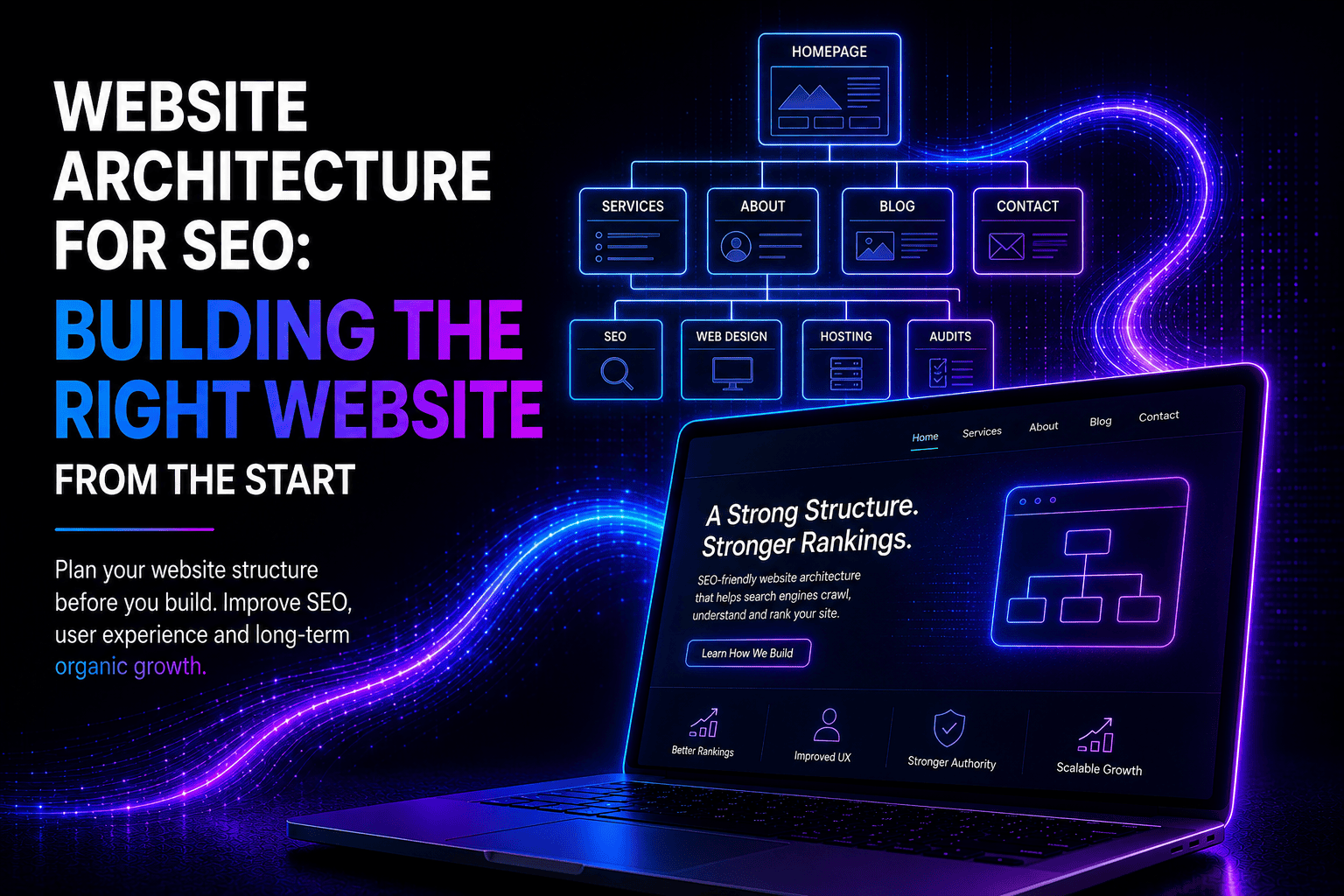
Step 2: Choose the Right Website Structure
Your site structure tells search engines how your international content is organised.
Option 1: Country-Specific Domains (ccTLDs)
Examples:
- .co.za
- .co.uk
- .com.au
Pros:
- Strong country targeting signals
- High trust locally
Cons:
- Expensive to manage
- SEO authority split across domains
Best suited for large enterprises.
Option 2: Subdirectories (Recommended)
Examples:
- example.com/za/
- example.com/uk/
- example.com/us/
Pros:
- Centralised SEO authority
- Easier to manage
- Scalable
Cons:
- Requires careful setup
This is the most common and effective option for growing businesses.
Option 3: Subdomains
Examples:
- za.example.com
- uk.example.com
Pros:
- Clear separation
- Flexible setup
Cons:
- SEO authority not always shared fully
Used less frequently today unless technically required.
Step 3: Implement Hreflang Correctly
Hreflang tags tell search engines which language and region a page is intended for.
Example:
- English (South Africa)
- English (United Kingdom)
- English (United States)
Hreflang prevents:
- Duplicate content issues
- Wrong country rankings
- Poor user experience
Incorrect hreflang implementation is one of the most common international SEO errors.
Step 4: Localise Content (Not Just Translate)
Translation is not localisation.
Localised content reflects:
- Local spelling and terminology
- Cultural context
- Currency and pricing
- Regulations and standards
- Search behaviour differences
For example, UK and US users search differently, even in English. Content must reflect these nuances.
Step 5: International Keyword Research
Keyword research must be done per market, not copied from South Africa.
Search intent, competition, and phrasing differ by country.
Key steps:
- Research keywords for each target country
- Analyse local competitors
- Identify intent gaps
- Map keywords to country-specific pages
This ensures your content aligns with real demand.
Step 6: Technical Performance and Hosting
Website performance affects rankings globally.
Consider:
- Content delivery networks (CDNs)
- Server response times
- Mobile performance
- Core Web Vitals
While hosting in South Africa is viable, global businesses should ensure fast delivery worldwide through optimised infrastructure.
Step 7: Build International Authority Signals
Search engines evaluate trust locally.
Authority signals include:
- Country-specific backlinks
- Local business citations
- International partnerships
- PR and media mentions
Building regional authority strengthens your international rankings.
Step 8: International SEO and Local Compliance
Each country has different:
- Privacy laws
- Data regulations
- Accessibility requirements
Ignoring compliance can affect trust and visibility.
Measuring International SEO Success
Track performance per country using:
- Google Search Console country filters
- Analytics segmentation
- Conversion tracking by region
- Ranking reports per market
Avoid measuring all countries as one dataset.
When Should South African Businesses Invest in International SEO?
International SEO makes sense when:
- You already rank locally
- Your product or service is globally relevant
- You can support international customers
- You want long-term organic growth
It is not a quick win, but it delivers compounding returns.
Final Thoughts
International SEO is a strategic growth lever for South African businesses ready to compete globally.
By implementing the right structure, localisation, and technical signals, businesses can:
- Reach international customers
- Build global brand authority
- Create sustainable, diversified growth
Going global doesn’t start with ads — it starts with search visibility.
FAQ: International SEO for South African Businesses
Is international SEO expensive?
Costs depend on scale, but subdirectory-based strategies are cost-effective.
Do I need separate websites for each country?
No. A well-structured single site can target multiple countries effectively.
How long does international SEO take to work?
Typically 3–6 months to see traction, longer for competitive markets.
Can service businesses benefit from international SEO?
Yes. Many professional services export expertise globally.
Does language targeting matter if everyone speaks English?
Yes. Search behaviour and intent differ even within English-speaking countries.