A Complete Guide for Modern Businesses 2026
A website is no longer optional for businesses. It is the foundation of your online presence, your most powerful marketing tool, and often the first impression potential customers have of your brand. Whether you operate locally or nationally, your website plays a critical role in how customers discover, trust, and engage with your business.
This comprehensive guide covers everything you need to know about websites, including how they work, why they matter, what makes them effective, and how businesses can use them to grow in an increasingly digital economy.
What Is a Website?
A website is a collection of interconnected web pages accessed through a domain name. These pages are hosted on a server and displayed to users through a web browser. While this definition is technical, the purpose of a website is simple: to communicate value and drive action.
For businesses, a website serves as:
- A digital storefront
- A marketing and sales platform
- A credibility and trust signal
- A lead generation tool
- A central hub for online visibility
Unlike social media platforms, your website is an asset you fully own and control.
Why Websites Matter for Businesses
Today’s consumers research before they buy. They search Google, compare options, read reviews, and evaluate credibility — often before making contact.
A professional website helps businesses:
- Be discovered online
- Build trust with potential customers
- Clearly explain products or services
- Capture enquiries and leads
- Support SEO and digital marketing campaigns
Without a website, or with a poorly performing one, businesses risk losing customers to competitors who are easier to find and more convincing online.
Types of Websites Businesses Use
Not all websites serve the same purpose. Choosing the right type depends on your business goals.
Business Websites
Designed to promote services, explain offerings, and generate enquiries. Ideal for service-based companies.
E-Commerce Websites
Built to sell products online, including payment gateways, inventory management, and order processing.
Portfolio Websites
Used by creatives, consultants, and professionals to showcase work, experience, or case studies.
Content and Blog Websites
Focus on publishing articles, guides, and educational content to build authority and attract organic traffic.
Directory and Platform Websites
List businesses, services, or resources in a structured and searchable format.
Each type requires different features, but all must meet performance and usability standards.
Core Elements of a Successful Website
A high-performing website is built on several essential components working together.
1. Clear Structure and Navigation
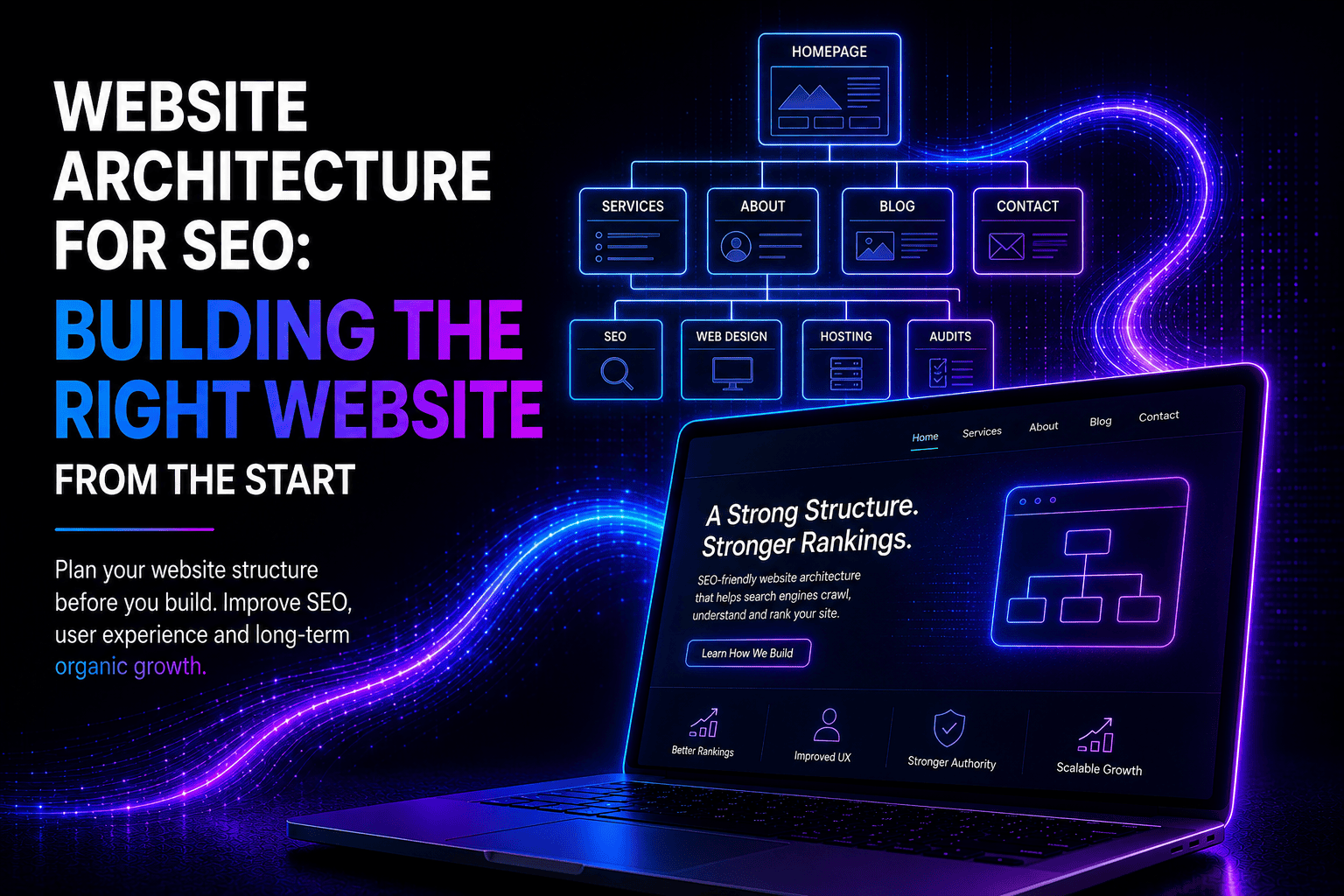
Visitors should immediately understand where they are and how to find what they need. Clear menus, logical page hierarchy, and intuitive navigation improve user experience and engagement.
2. Mobile Responsiveness
Most web traffic now comes from mobile devices. A website must adapt seamlessly to different screen sizes to avoid losing users and rankings.
3. Website Speed and Performance
Slow websites frustrate users and perform poorly in search engines. Speed affects:
- Bounce rate
- User satisfaction
- SEO rankings
- Conversion rates
Fast-loading pages are essential for success.
4. Quality Content
Content should be clear, relevant, and helpful. Strong content:
- Explains your offering
- Answers customer questions
- Supports SEO visibility
- Builds authority and trust
5. Security and Reliability
Secure websites protect user data and inspire confidence. HTTPS encryption, regular updates, and reliable hosting are now standard expectations.
Website Design vs Website Performance
Design and performance are often confused, but they serve different roles.
Website design focuses on visual appeal, branding, layout, and user interface.
Website performance focuses on speed, stability, responsiveness, and technical efficiency.
While design attracts users, performance determines whether they stay.
A visually impressive website that loads slowly or breaks on mobile devices will struggle to generate results. Likewise, a fast website with outdated design may fail to build trust.
The most successful websites strike a balance, prioritising performance-first design.
Websites and Search Engine Optimisation (SEO)
SEO determines whether your website can be found on Google and other search engines. A website built with SEO in mind includes:
- Optimised page titles and meta descriptions
- Structured headings (H1, H2, H3)
- Clean, readable URLs
- Fast page speeds
- Relevant, high-quality content
SEO is not a one-time task. It requires ongoing optimisation, content updates, and performance monitoring.
Local SEO and Business Websites
For businesses serving specific locations, local SEO is essential.
Local-optimised websites:
- Include location-based keywords
- Feature contact details clearly
- Integrate Google Business Profiles
- Display customer reviews and testimonials
- Improve visibility in map results
Local SEO helps businesses attract customers who are actively searching for services nearby, often with immediate intent.
Hosting, Maintenance, and Long-Term Performance
A website’s success depends heavily on what happens behind the scenes.
Website Hosting
Quality hosting affects:
- Speed
- Uptime
- Security
- Scalability
Cheap or unreliable hosting often leads to slow performance and downtime.
Website Maintenance
Websites require regular maintenance, including:
- Software updates
- Security patches
- Backups
- Performance checks
Neglecting maintenance can lead to vulnerabilities, poor performance, and lost traffic.
When Should You Upgrade Your Website?
Many businesses delay upgrading their website, often at the cost of growth.
Common signs it’s time for an upgrade include:
- Slow loading times
- Poor mobile experience
- Outdated design
- Declining search rankings
- Low enquiry or conversion rates
A website upgrade often results in immediate improvements in visibility, usability, and lead generation.
Common Website Mistakes Businesses Make
Some of the most common issues include:
- Overloading pages with large images
- Ignoring mobile users
- Poor navigation and structure
- Weak or outdated content
- No clear call to action
- Lack of SEO optimisation
Avoiding these mistakes significantly improves performance and results.
Your Website as a Business Asset
A website should not be treated as a once-off expense. It is a long-term business asset that supports:
- Marketing campaigns
- Customer acquisition
- Brand authority
- Sales and enquiries
Businesses that invest in their websites strategically gain a competitive advantage that compounds over time.
Frequently Asked Questions (FAQs)
What is the most important part of a website?
Performance and usability are the most important. A website must load quickly, work on all devices, and be easy to navigate before design and aesthetics can add value.
How often should a website be updated?
Content should be reviewed regularly, and technical updates should be applied as soon as they are available. Most businesses benefit from a full website review every 2–3 years.
Do small businesses really need a website?
Yes. A website helps small businesses appear credible, attract customers, and compete with larger brands online.
Is a one-page website enough?
A one-page website can work for simple offerings, but most businesses benefit from multiple pages to support SEO, content depth, and conversions.
How long does it take to build a website?
Timelines vary depending on complexity, but most professional business websites take between 4 and 8 weeks to build properly.
Can social media replace a website?
No. Social media platforms change constantly and are not owned by the business. A website is a stable, controllable asset that supports all digital marketing efforts.
What makes a website rank on Google?
Search rankings depend on performance, content quality, SEO structure, relevance, and authority. Speed and mobile-friendliness are key ranking factors.
How do websites generate leads?
Through contact forms, calls to action, landing pages, and clear messaging that guides visitors to take action.
Final Thoughts
Websites remain one of the most powerful tools available to businesses today. From visibility and credibility to lead generation and growth, a well-built website underpins nearly every aspect of digital success.
Understanding how websites work — and what makes them effective — allows businesses to make informed decisions, invest wisely, and stay competitive in an increasingly online world.
If your website is not delivering results, it may not be doing its job. A strategic approach to design, performance, SEO, and maintenance can transform a website from a digital placeholder into a powerful growth engine.