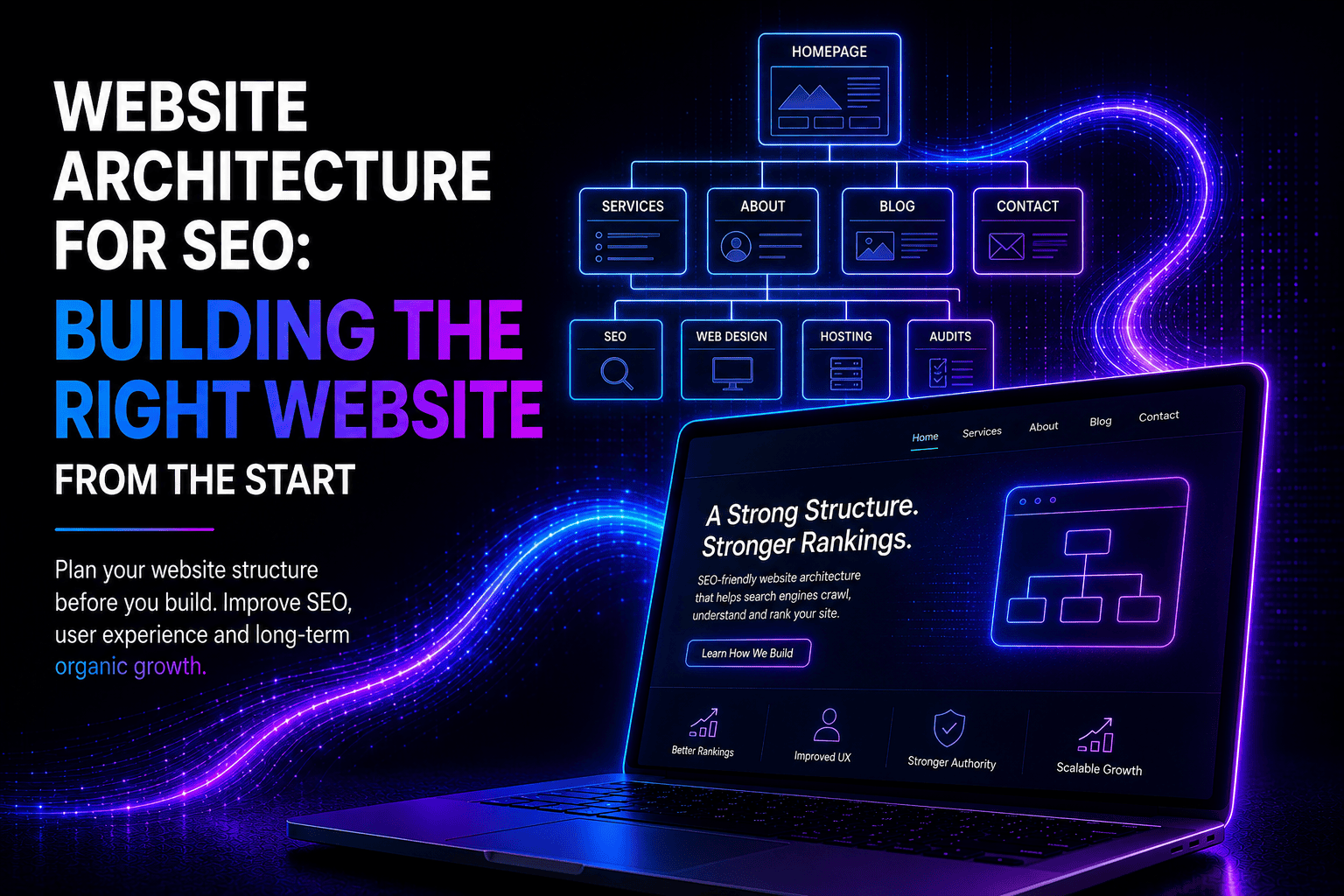
In 2026, website design and development goes beyond aesthetics—it’s about functionality, performance, SEO, and user experience. With WordPress powering over 40% of the web and Elementor providing intuitive drag-and-drop design, businesses can build professional, responsive websites without extensive coding knowledge. This guide covers everything you need to create, optimise, and maintain a WordPress website using Elementor.
1. Why Website Design and Development Matters in 2026
Your website is your digital storefront. It is often the first point of contact with potential customers, so design and functionality are critical for:
- User Experience (UX): Easy navigation, fast load times, and clear layouts.
- Search Engine Optimization (SEO): Structured content, metadata, and technical elements boost rankings.
- Brand Credibility: Professional design builds trust.
- Conversions: Optimized calls-to-action (CTAs) and funnels improve sales and lead generation.
Modern web development combines visual design with backend functionality, ensuring your site is attractive, fast, and secure.
2. WordPress: The Platform of Choice
WordPress is the most popular Content Management System (CMS), powering websites from blogs to e-commerce stores. Key advantages:
- Ease of Use: Minimal coding required for most tasks.
- Flexibility: Thousands of themes and plugins available.
- SEO-Friendly: Built-in SEO features and plugins like Yoast SEO or RankMath.
- Scalability: From small businesses to enterprise-level sites.
- Community Support: Large ecosystem for troubleshooting and updates.
3. Elementor: Drag-and-Drop Website Design Made Simple
Elementor is a WordPress page builder that enables visual, drag-and-drop website creation:
- No Coding Needed: Build custom layouts visually.
- Responsive Design: Mobile, tablet, and desktop optimisation built-in.
- Pre-Designed Templates: Start quickly with professional layouts.
- Dynamic Content: Integrate blog posts, product listings, and custom fields.
- Performance Optimisation: Lightweight designs reduce page load times.
Elementor is ideal for small businesses, agencies, and freelancers who need fast, flexible, and modern websites.
4. Key Steps in Website Design & Development
Step 1: Planning & Strategy
- Define website goals: Lead generation, e-commerce, portfolio, or blog.
- Identify target audience and user personas.
- Map website structure: Main pages, categories, and navigation.
Step 2: Design
- Choose a theme or start from scratch with Elementor.
- Focus on UX/UI principles: Clean layouts, easy navigation, clear CTAs.
- Use brand colors, fonts, and imagery consistently.
Step 3: Development
- Set up WordPress hosting and install Elementor.
- Add essential plugins: SEO, security, caching, and analytics.
- Optimise for mobile responsiveness, speed, and accessibility.
Step 4: Content Creation
- SEO-optimised content for pages, blogs, and product descriptions.
- Compress images for faster loading and add descriptive alt text.
- Include clear CTAs and lead capture forms.
Step 5: Testing & Launch
- Test across multiple devices and browsers.
- Check load speed, mobile responsiveness, forms, and links.
- Launch and monitor using analytics and feedback.
5. WordPress SEO Essentials
SEO is vital for visibility. Best practices include:
- Permalinks: Clean, descriptive URLs.
- Metadata: Optimised titles, descriptions, and headings with keywords.
- Sitemaps: XML sitemaps submitted to Google Search Console.
- Internal Linking: Boost user navigation and page authority.
- Page Speed Optimisation: Use caching, optimised images, and lightweight themes.
6. Elementor Optimisation Tips
- Use global fonts and colors for consistency.
- Minimise third-party widgets/plugins to reduce load time.
- Optimise images with WebP format.
- Enable lazy loading for media.
- Use Elementor’s Theme Builder to create custom headers, footers, and archive pages.
7. Security & Maintenance
A website isn’t finished at launch. Essential steps include:
- Keep WordPress core, themes, and plugins updated.
- Use SSL certificates for HTTPS security.
- Implement security plugins like Wordfence or Sucuri.
- Schedule backups and monitor uptime.
- Conduct regular SEO and performance audits.
8. Top 10 Website Design & Development Trends 2026
- AI-Powered Design: AI tools suggest layouts, colors, and UX improvements.
- Mobile-First Everything: Mobile responsiveness is non-negotiable.
- Voice & Visual Search Optimisation: Prepare for natural language queries.
- Minimalistic & Fast Designs: Focus on speed, clarity, and UX.
- Dynamic Content & Personalisation: Tailor content based on user behaviour.
- Interactive Elements: Quizzes, polls, animations, and micro-interactions.
- Integration with Marketing Tools: CRM, email marketing, analytics.
- No-Code/Low-Code Platforms: Elementor, Webflow, and similar tools dominate.
- Sustainable & Ethical Design: Energy-efficient hosting and accessible design.
- Continuous Optimisation: Data-driven updates for SEO, UX, and conversions.
9. FAQs
Q1: Do I need coding skills to build a WordPress site with Elementor?
A: No, Elementor allows drag-and-drop design, making it accessible even without coding knowledge.
Q2: Can I use Elementor for e-commerce websites?
A: Yes, Elementor integrates seamlessly with WooCommerce for fully functional online stores.
Q3: How often should I update my website?
A: Regular updates for WordPress, plugins, content, and security are recommended monthly or as needed.
Q4: How does website speed affect SEO?
A: Faster websites reduce bounce rates, improve UX, and are favoured by search engines for ranking.
Q5: Is mobile optimisation really necessary?
A: Yes, Google uses mobile-first indexing, and most users access websites via mobile devices.
Conclusion
Website design and development in 2026 goes beyond aesthetics. With WordPress and Elementor, businesses can create responsive, SEO-friendly, and conversion-focused websites that serve their audience effectively. By understanding web anatomy, optimising for search engines, and staying on top of trends, your website can remain fast, secure, and future-ready.